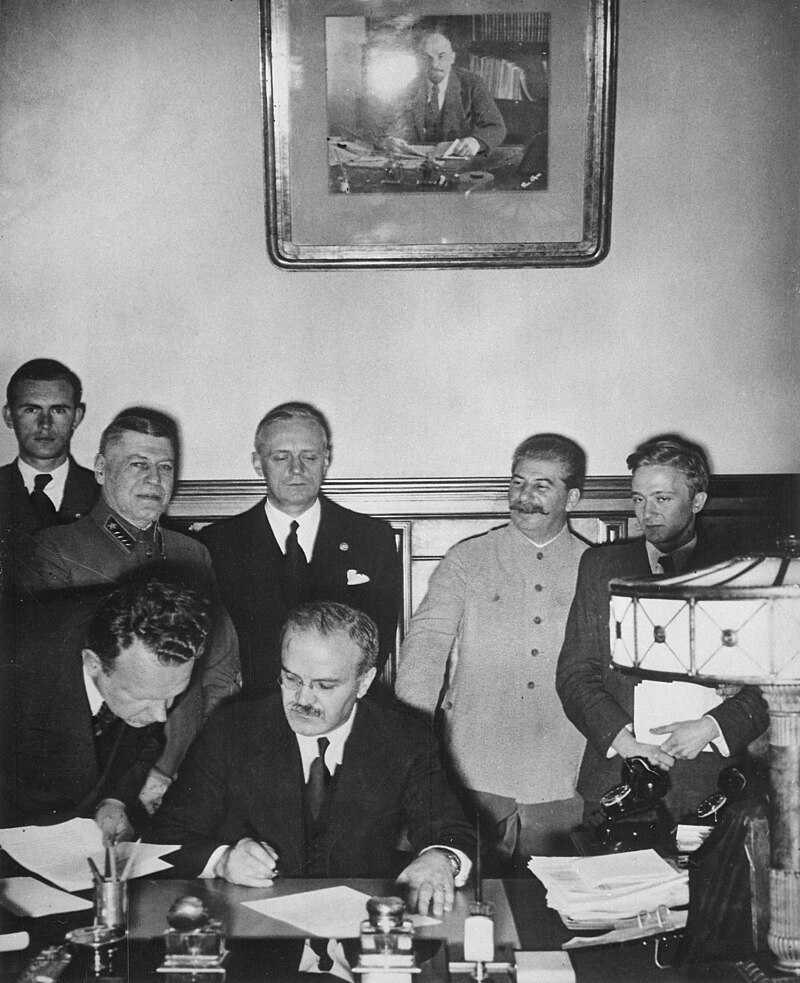
USSR agrees to supply grain to Germany
Germany


International Relations
Trade Agreements
Agriculture
4 min read
Updated By: History Editorial Network (HEN)
Published:
Updated:
The agreement between the USSR and Germany to supply grain and raw materials marked a pivotal moment in their economic relations. This trade treaty was established during a time of significant geopolitical tension in Europe, as both nations sought to bolster their resources amidst the ongoing conflicts. The USSR, having vast agricultural capabilities, was able to provide Germany with essential food supplies, which were crucial for sustaining its military and civilian populations. This arrangement not only facilitated Germany's war efforts but also highlighted the strategic partnership that existed between the two nations, despite their ideological differences. The trade agreement was part of a broader context of alliances and pacts that characterized the prelude to the larger conflicts of the era, showcasing how economic necessities often transcended political ideologies.
The impact of this agreement extended beyond mere trade; it played a role in shaping the military strategies of both nations. For Germany, the influx of grain and raw materials helped to alleviate some of the logistical challenges faced by its armed forces. This support was particularly important as Germany prepared for its military campaigns across Europe. On the other hand, the USSR benefited from the economic exchanges, which provided it with access to industrial goods and technology from Germany. This mutual dependency illustrated the complexities of international relations during this period, where economic interests often dictated alliances. The treaty not only reinforced the economic ties between the two powers but also set the stage for future interactions that would have lasting implications for Europe and the world.
#mooflife
#MomentOfLife
#Ussr
#Germany
#GrainSupply
#TradeTreaty
#WorldWarIi
Primary Reference
German–Soviet Commercial Agreement (1940)

Explore the Life Moments of
 AI Twin