US Troops Land at Hollandia and Aitape
Germany


Military
World War II
4 min read
Updated By: History Editorial Network (HEN)
Published:
Updated:
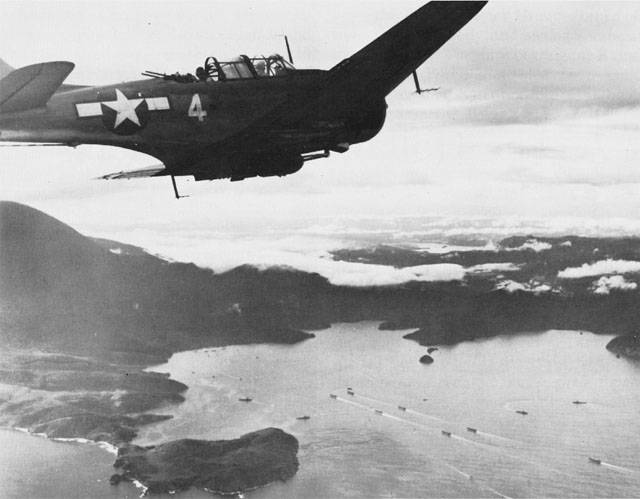
In a strategic military operation, US troops landed at Hollandia and Aitape in northern New Guinea as part of Operations Reckless and Persecution. The primary objective of these operations was to cut off Japanese forces stationed in Wewak, thereby limiting their ability to reinforce or resupply their troops in the region. The landings were significant in the broader context of the Pacific Theater during World War II, as they aimed to establish a foothold in New Guinea, which was crucial for future offensives against Japanese positions. The successful execution of these landings allowed Allied forces to gain control over key locations, facilitating further advances into enemy territory and contributing to the overall strategy of isolating Japanese forces in the area.
The impact of the landings at Hollandia and Aitape was profound, as they marked a turning point in the campaign in the Southwest Pacific. By securing these locations, US forces were able to disrupt Japanese supply lines and communication, which had a cascading effect on their operational capabilities. The operations also demonstrated the effectiveness of amphibious assaults in the Pacific, setting a precedent for future engagements. The landings were part of a larger strategy that included air and naval support, which played a critical role in ensuring the success of the operations. The capture of these sites not only contributed to the weakening of Japanese defenses but also paved the way for subsequent Allied advances in the region, ultimately leading to the liberation of New Guinea and the eventual defeat of Japanese forces in the Pacific.
#mooflife
#MomentOfLife
#UsTroops
#Hollandia
#Aitape
#WorldWarIi
#PacificTheater
Primary Reference
Landing at Aitape

Explore the Life Moments of
 AI Twin