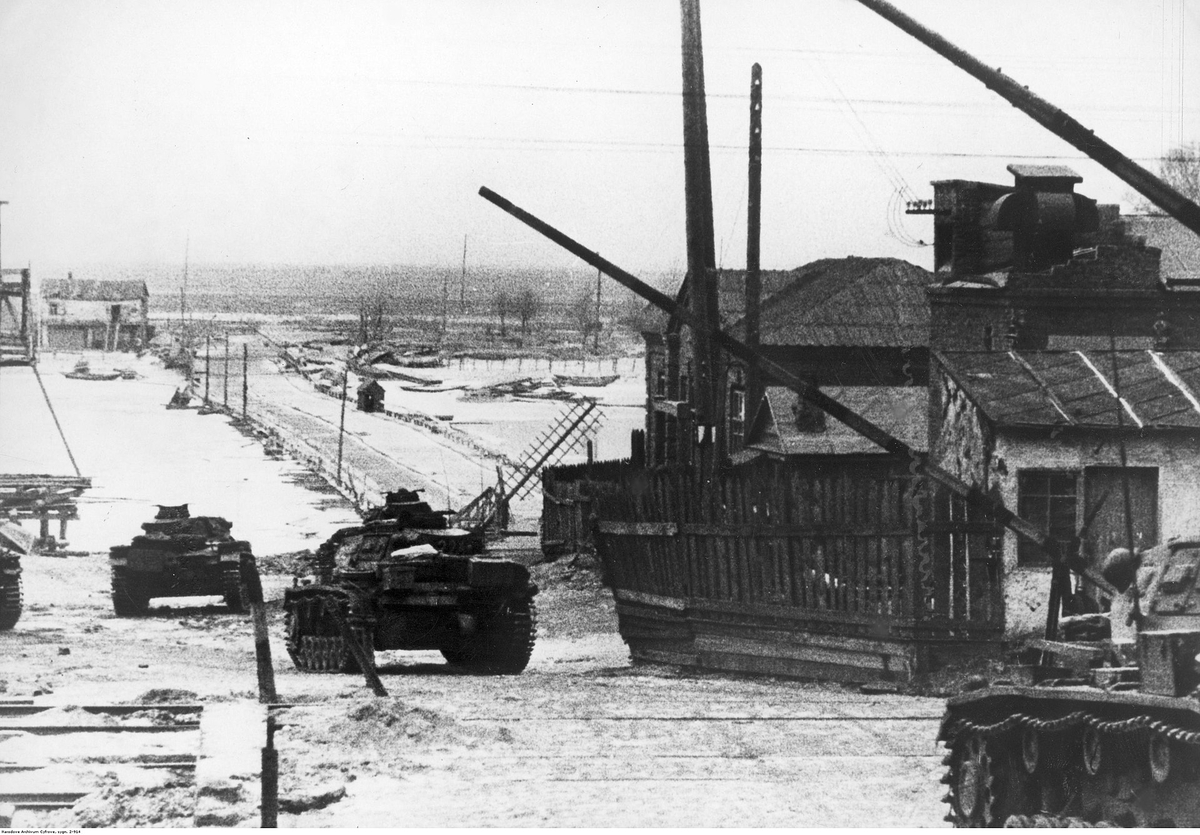
The Battle of Rostov
Germany

Military
World War II
4 min read
Updated By: History Editorial Network (HEN)
Published:
Updated:
The Battle of Rostov was a crucial engagement during the Eastern Front of World War II, focusing on the strategic city of Rostov-on-Don. This city served as a vital transportation and supply hub for the Soviet Union, linking the southern regions to the rest of the country. The capture of Rostov was significant for the German forces as it provided them with a direct route to the Caucasus oil fields, which were essential for sustaining their military operations. The battle highlighted the intense fighting that characterized the Eastern Front, where both sides faced heavy casualties and fierce resistance. The loss of Rostov allowed German forces to advance deeper into Soviet territory, further complicating the Soviet defense strategy and leading to a series of subsequent battles in the region. The impact of this battle was felt not only in terms of territorial control but also in the morale of both the German and Soviet troops, as it represented a shift in the balance of power in the southern sector of the front.
The aftermath of the Battle of Rostov had lasting implications for the course of the war. The German occupation of the city disrupted Soviet supply lines and communication, which were critical for their military efforts. The loss of Rostov also forced the Soviet command to reevaluate their strategies and resource allocations in the southern front. Despite the initial success of the German forces, the Soviet Union would later launch counteroffensives to reclaim lost territory, demonstrating the resilience of their military. The battle exemplified the brutal nature of the conflict, with both sides suffering significant losses. The strategic importance of Rostov-on-Don continued to influence military operations throughout the war, making the battle a key event in the broader context of the Eastern Front.
#mooflife
#MomentOfLife
#BattleOfRostov
#EasternFront
#WorldWarIi
#SovietUnion
#GermanForces
Primary Reference
Battle of Rostov (1941)

Explore the Life Moments of
 AI Twin