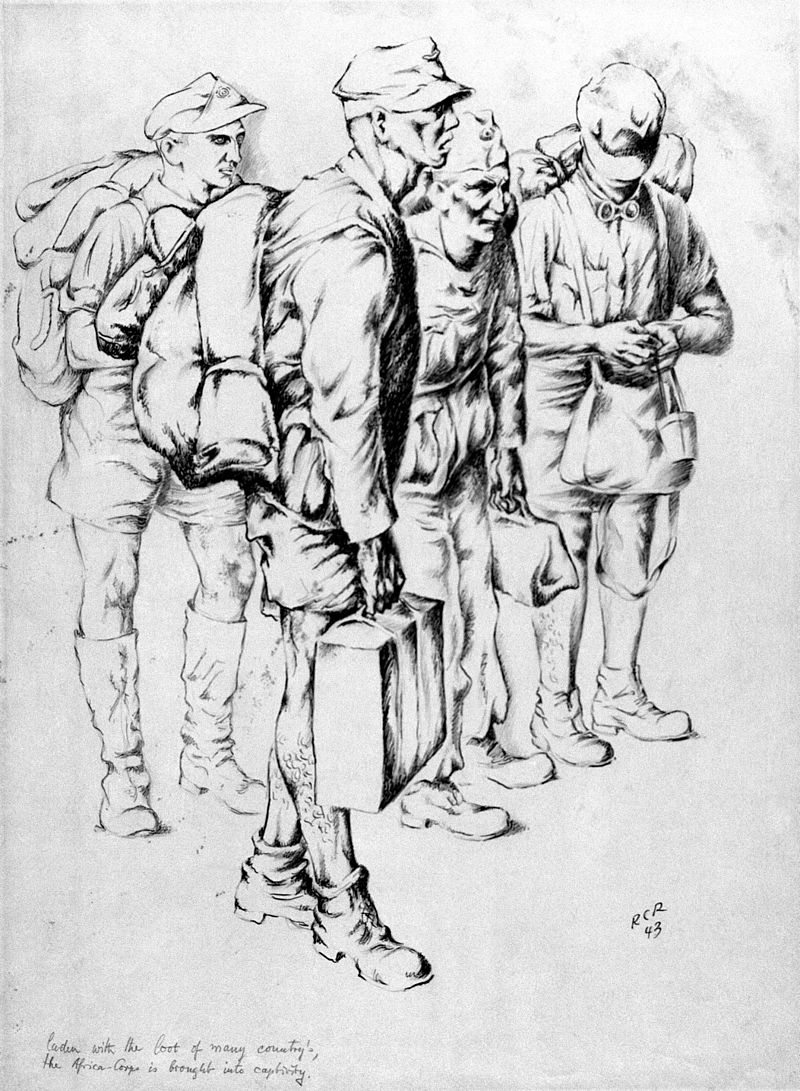
Surrender of German Afrika Korps
Germany

Military History
World War II
North African Campaign
3 min read
Updated By: History Editorial Network (HEN)
Published:
Updated:
The surrender of the German Afrika Korps marked a pivotal moment in the North African campaign during World War II. The Afrika Korps, led by General Erwin Rommel, had been engaged in a prolonged struggle against Allied forces, which included troops from the United Kingdom, the United States, and other nations. The campaign in North Africa was characterized by a series of battles for control over strategic locations, including the Suez Canal and oil fields in the Middle East. The surrender occurred after a series of defeats for Axis forces, culminating in the encirclement of their troops. The Allies' successful operations, including the battles of El Alamein and the subsequent advance into Tunisia, significantly weakened the Axis position in the region. The surrender resulted in the capture of over 250,000 German and Italian soldiers, which represented a substantial blow to Axis military capabilities and morale. This event not only marked the end of Axis control in North Africa but also allowed the Allies to consolidate their forces and prepare for further operations in Europe, including the Italian Campaign.
#mooflife
#MomentOfLife
#GermanAfrikaKorps
#NorthAfricaCampaign
#WorldWarIi
#AlliedForces
#MilitarySurrender
Primary Reference
Afrika Korps

Explore the Life Moments of
 AI Twin