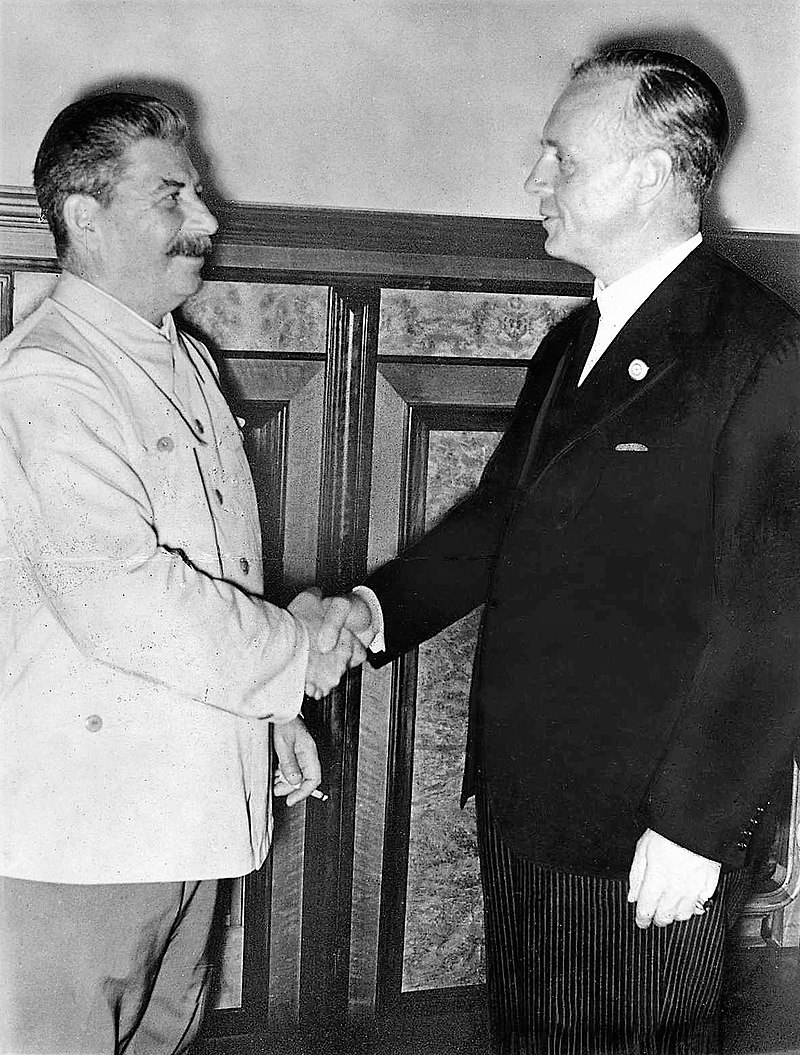
Soviet Union gives terms to join Tripartite Pact
Germany


International Relations
Military History
World War II
4 min read
Updated By: History Editorial Network (HEN)
Published:
Updated:
The Tripartite Pact was a military alliance formed during World War II, primarily between Germany, Italy, and Japan. The Soviet Union's interest in joining this pact was driven by its desire for territorial expansion and influence in Eastern Europe. By proposing terms for its inclusion, the Soviet leadership aimed to secure substantial new territorial gains, which would enhance its strategic position in the region. This move was indicative of the shifting alliances and the complex geopolitical landscape of the time, as nations sought to bolster their power amidst the ongoing conflict. The Soviet Union's potential entry into the Tripartite Pact would have significant implications for the balance of power in Europe, particularly concerning the interests of neighboring countries and the ongoing war efforts of the Allies.
The context of this development also included military actions such as the Greek counter-offensive, which was part of the broader conflict involving Axis and Allied forces. The Greek campaign highlighted the challenges faced by Axis powers in maintaining control over occupied territories. The Soviet Union's terms for joining the Tripartite Pact reflected its ambitions to capitalize on the vulnerabilities of its adversaries while simultaneously navigating its own security concerns. The potential alignment with Axis powers would have altered the dynamics of the war, influencing strategies and outcomes in various theaters of conflict. The implications of this alliance were profound, as it could have led to a more aggressive Soviet posture in Eastern Europe and beyond, reshaping the post-war landscape significantly.
#mooflife
#MomentOfLife
#TripartitePact
#SovietUnion
#WorldWarIi
#TerritorialGains
#GeopoliticalAlliances
Primary Reference
German–Soviet Axis talks

Explore the Life Moments of
 AI Twin