Rommel defeats counter-attack at Halfaya Pass
Germany
'%3e%3cpath fill='%23012169' d='M0 0v30h60V0z'/%3e%3cpath stroke='%23fff' stroke-width='6' d='m0 0 60 30m0-30L0 30'/%3e%3cpath stroke='%23C8102E' stroke-width='4' d='m0 0 60 30m0-30L0 30' clip-path='url(%23b)'/%3e%3cpath stroke='%23fff' stroke-width='10' d='M30 0v30M0 15h60'/%3e%3cpath stroke='%23C8102E' stroke-width='6' d='M30 0v30M0 15h60'/%3e%3c/g%3e%3c/svg%3e)

Military History
World War II
North African Campaign
4 min read
Updated By: History Editorial Network (HEN)
Published:
Updated:
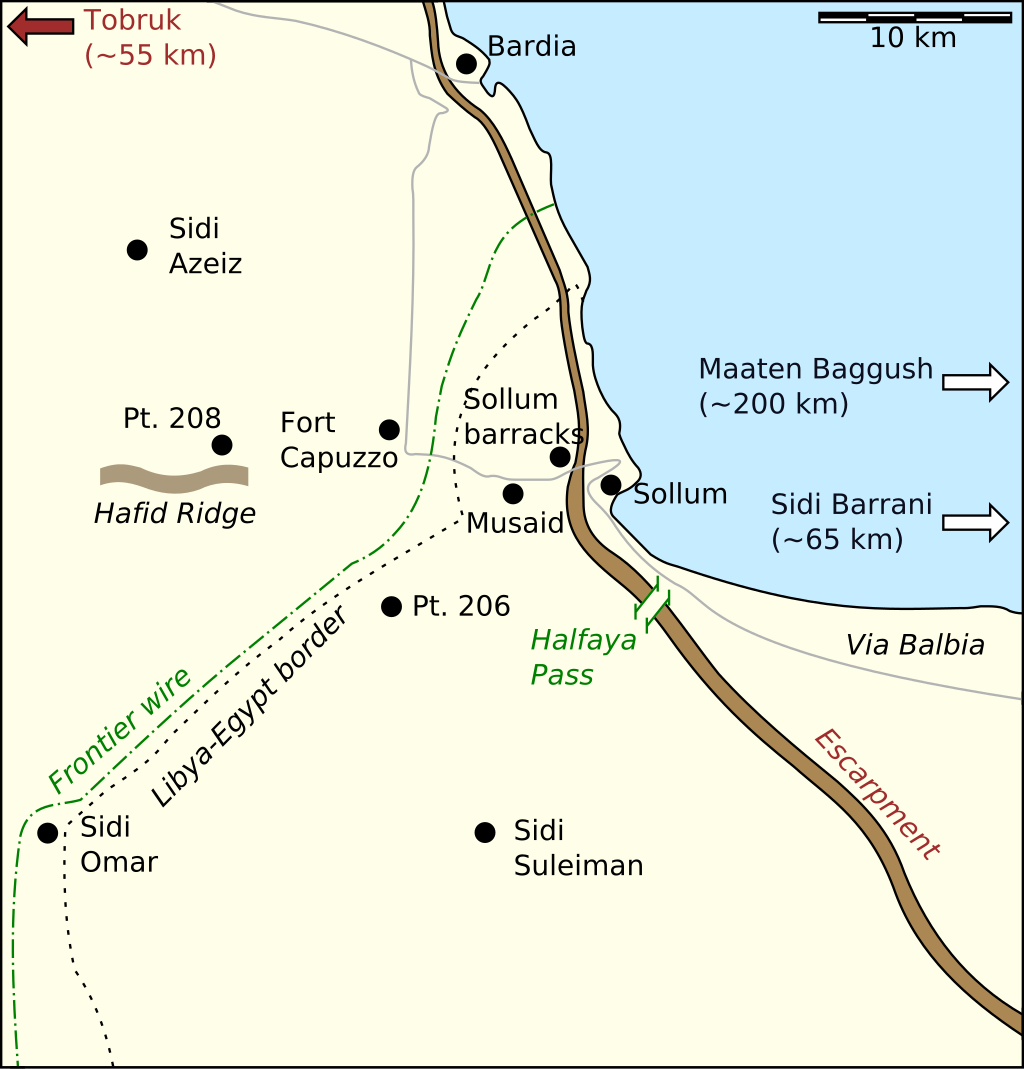
The battle at Halfaya Pass was a crucial engagement during the North African Campaign, where Axis forces, led by General Erwin Rommel, faced off against Commonwealth troops. The strategic location of Halfaya Pass, situated near the Egyptian border, made it a significant point of contention. Rommel's forces successfully repelled a counter-attack known as 'Brevity', which was launched by Commonwealth forces in an attempt to regain control of the area. This engagement highlighted the intense back-and-forth nature of the conflict, as both sides alternated control over key positions such as Fort Capuzzo and Halfaya Pass. The victory at Halfaya Pass not only bolstered Rommel's reputation as a skilled commander but also allowed Axis forces to maintain momentum in their campaign across North Africa.
The impact of this victory was felt beyond the immediate battlefield. Following the success at Halfaya Pass, Rommel's forces advanced towards the Gazala defense line, further penetrating into Egyptian territory. Despite the initial gains, the siege of Tobruk continued, as Commonwealth forces managed to hold their ground in that strategic port city. The events at Halfaya Pass were part of a larger series of confrontations that characterized the North African theater, where control of territory was often contested fiercely. The outcomes of these battles would ultimately influence the broader strategic landscape of World War II, as both Axis and Allied forces sought to secure vital supply routes and maintain territorial integrity in the region.
#mooflife
#MomentOfLife
#Rommel
#HalfayaPass
#NorthAfricanCampaign
#WorldWarIi
#CommonwealthForces
Primary Reference
Operation Brevity

Explore the Life Moments of
 AI Twin