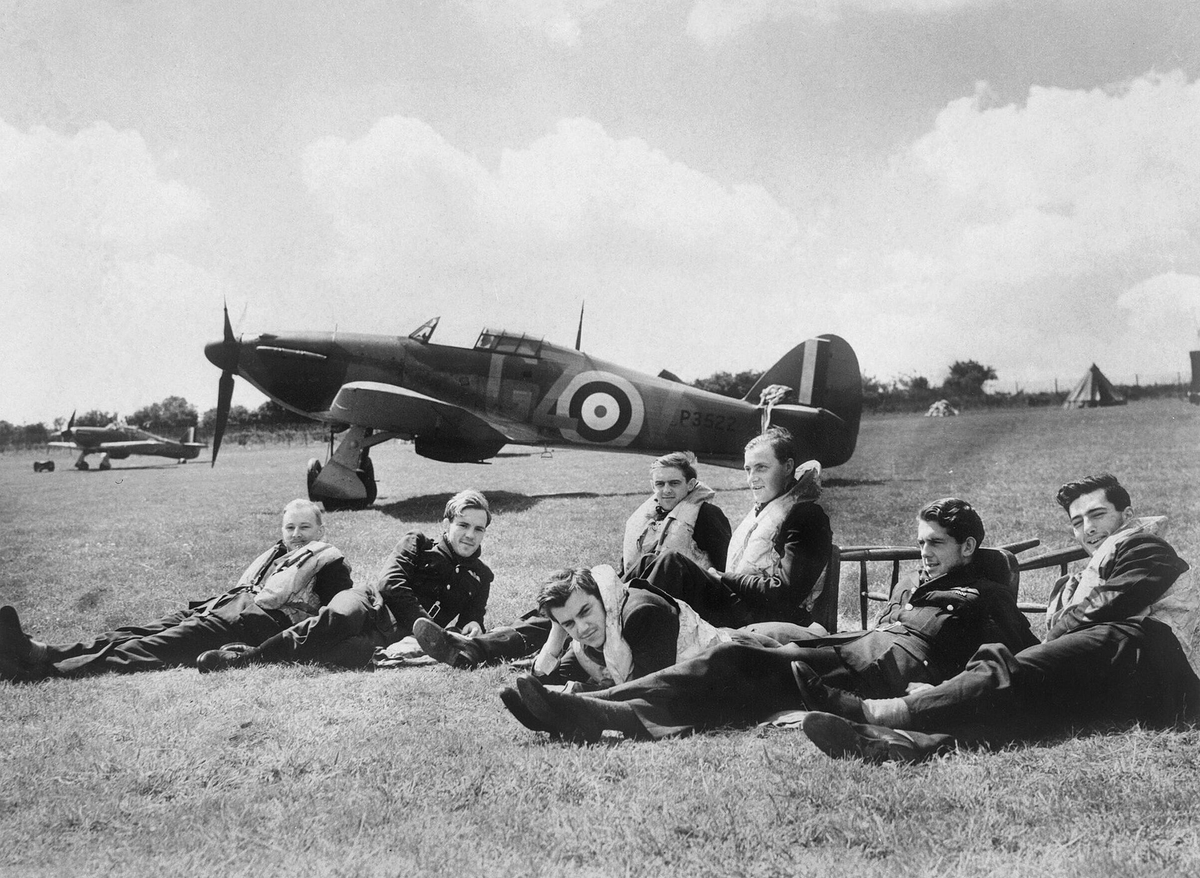
RAF victories over the Luftwaffe
Germany

'%3e%3cpath fill='%23012169' d='M0 0v30h60V0z'/%3e%3cpath stroke='%23fff' stroke-width='6' d='m0 0 60 30m0-30L0 30'/%3e%3cpath stroke='%23C8102E' stroke-width='4' d='m0 0 60 30m0-30L0 30' clip-path='url(%23b)'/%3e%3cpath stroke='%23fff' stroke-width='10' d='M30 0v30M0 15h60'/%3e%3cpath stroke='%23C8102E' stroke-width='6' d='M30 0v30M0 15h60'/%3e%3c/g%3e%3c/svg%3e)
Military History
Aviation
World War II
3 min read
Updated By: History Editorial Network (HEN)
Published:
Updated:
The Royal Air Force (RAF) engaged in a series of victories over the Luftwaffe, the aerial warfare branch of the German Wehrmacht, during a critical period of conflict. These victories were part of a broader air campaign that took place along the East coast, where British fighter aircraft were deployed to intercept and combat German bombers and fighters. The RAF's strategic operations were essential in defending British airspace and preventing potential invasions. The effectiveness of the RAF was bolstered by the introduction of advanced fighter aircraft, which played a crucial role in achieving air superiority. The ongoing confrontations resulted in significant losses for the Luftwaffe, contributing to a shift in the balance of power in the air.
In response to the escalating demands of the conflict, British fighter aircraft production began to accelerate. This increase in production was vital for sustaining the RAF's operational capabilities and ensuring that they could maintain a continuous defense against German air assaults. The ability to produce and deploy more aircraft allowed the RAF to replace losses and expand their reach, ultimately leading to a more robust defense strategy. The combination of tactical victories and increased production capacity not only enhanced the RAF's effectiveness but also had a lasting impact on the course of the war, as it laid the groundwork for future operations and contributed to the eventual defeat of the Luftwaffe.
#mooflife
#MomentOfLife
#Raf
#Luftwaffe
#AirCampaign
#BritishFighterAircraft
#WorldWarIi
Primary Reference
Battle of Britain

Explore the Life Moments of
 AI Twin