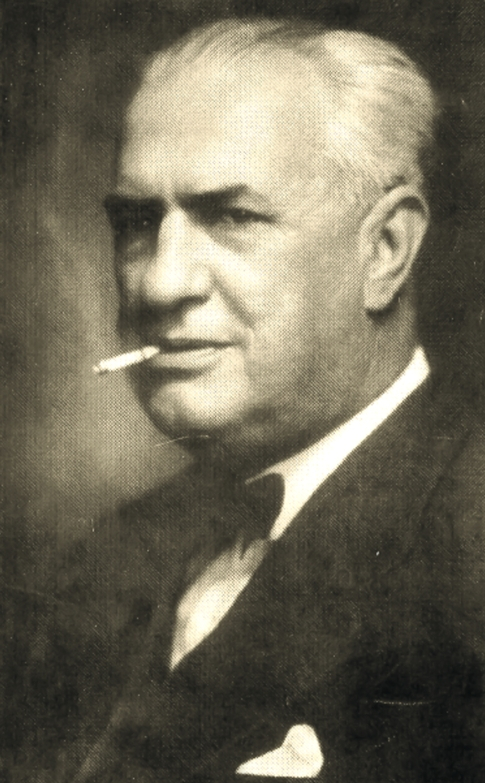
New Government Formed in Romania
Germany
Government
Politics
Leadership
4 min read
Updated By: History Editorial Network (HEN)
Published:
Updated:
In Romania, a new government was established under the leadership of Prime Minister Constantin Argetoianu. This transition marked a significant shift in the political landscape of the country, aligning it more closely with the broader trends occurring in Eastern Europe during this period. The formation of this government was part of a larger wave of Communist influence that swept through the region, with neighboring countries like Poland and Hungary also experiencing similar political changes. The establishment of Communist governments in these nations was characterized by the consolidation of power and the suppression of opposition, which had profound implications for the political and social fabric of Eastern Europe. Romania's new government was instrumental in implementing policies that aligned with Communist ideologies, which included nationalization of industries and collectivization of agriculture. These policies aimed to reshape the economy and society in accordance with Communist principles, leading to significant changes in the lives of Romanian citizens. The impact of this government formation was felt not only within Romania but also influenced the geopolitical dynamics of Eastern Europe, as the region became increasingly dominated by Communist regimes. The shift in governance in Romania was part of a broader trend that saw the establishment of Communist rule across Eastern Europe, fundamentally altering the political landscape and setting the stage for future conflicts and changes in the region.
#mooflife
#MomentOfLife
#Romania
#Communism
#EasternEurope
#PoliticalChange
#GovernmentFormation

Explore the Life Moments of
 AI Twin