Meat rationing starts in Britain
Germany
'%3e%3cpath fill='%23012169' d='M0 0v30h60V0z'/%3e%3cpath stroke='%23fff' stroke-width='6' d='m0 0 60 30m0-30L0 30'/%3e%3cpath stroke='%23C8102E' stroke-width='4' d='m0 0 60 30m0-30L0 30' clip-path='url(%23b)'/%3e%3cpath stroke='%23fff' stroke-width='10' d='M30 0v30M0 15h60'/%3e%3cpath stroke='%23C8102E' stroke-width='6' d='M30 0v30M0 15h60'/%3e%3c/g%3e%3c/svg%3e)
Food Policy
Historical Events
World War II
4 min read
Updated By: History Editorial Network (HEN)
Published:
Updated:
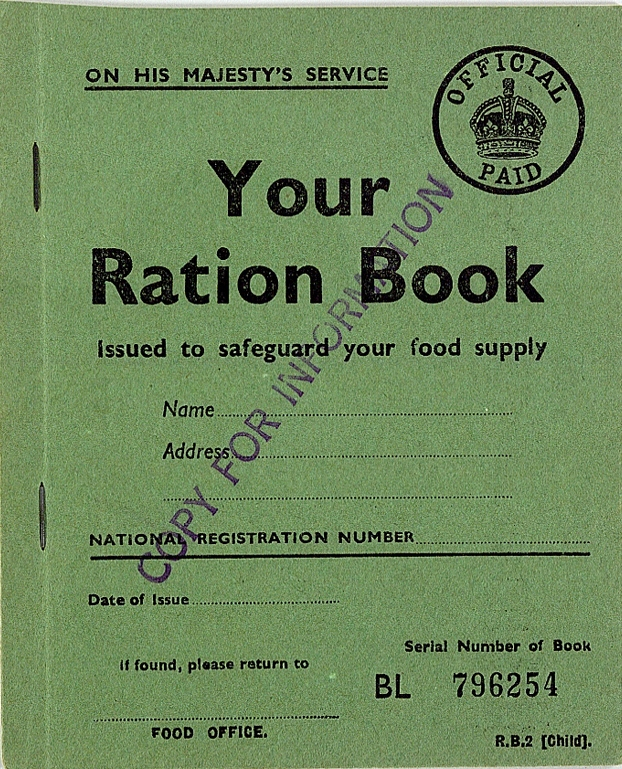
Meat rationing in Britain was implemented as a response to the challenges posed by wartime conditions. The rationing system was designed to ensure equitable distribution of limited food supplies among the population, as the war effort strained resources and disrupted normal supply chains. The government introduced rationing to manage shortages and prevent inflation, which could lead to social unrest. The system required citizens to register for ration books, which allocated specific quantities of meat per person, thereby controlling consumption and ensuring that everyone had access to essential food items. This approach was part of a broader strategy that included rationing of other foodstuffs and commodities, reflecting the severity of the situation faced by the nation during the conflict.
The impact of meat rationing was significant, as it altered dietary habits and forced families to adapt to new cooking methods and meal planning. The rationing system was met with mixed reactions; while some citizens accepted it as a necessary measure for the greater good, others expressed frustration over the limitations it imposed on their food choices. The government worked to promote alternative sources of protein, such as fish and legumes, to help mitigate the effects of meat shortages. Statistics indicate that the average meat consumption per person dropped considerably during this period, highlighting the extent of the rationing measures. Overall, meat rationing in Britain was a crucial aspect of wartime policy, aimed at sustaining the population and supporting the war effort while managing the economic challenges that arose from the conflict.
#mooflife
#MomentOfLife
#MeatRationing
#Britain
#WartimePolicy
#FoodSupply
#RationingSystem
Primary Reference
Rationing in the United Kingdom

Explore the Life Moments of
 AI Twin