Luftwaffe's Baedeker Raids on English Towns
Germany
'%3e%3cpath fill='%23012169' d='M0 0v30h60V0z'/%3e%3cpath stroke='%23fff' stroke-width='6' d='m0 0 60 30m0-30L0 30'/%3e%3cpath stroke='%23C8102E' stroke-width='4' d='m0 0 60 30m0-30L0 30' clip-path='url(%23b)'/%3e%3cpath stroke='%23fff' stroke-width='10' d='M30 0v30M0 15h60'/%3e%3cpath stroke='%23C8102E' stroke-width='6' d='M30 0v30M0 15h60'/%3e%3c/g%3e%3c/svg%3e)
World War II
Military
3 min read
Updated By: History Editorial Network (HEN)
Published:
Updated:
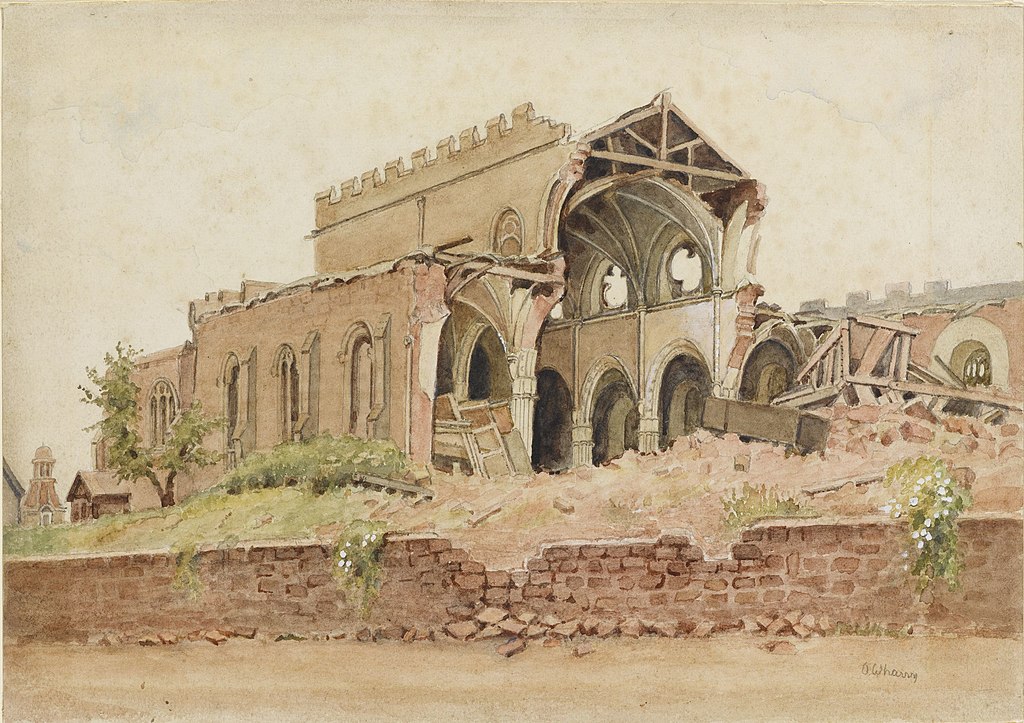
The Baedeker Raids were a series of targeted air attacks conducted by the Luftwaffe against English provincial towns during World War II. Named after the Baedeker travel guides, which were popular among tourists, these raids aimed to inflict damage on cultural and historical sites, as well as to demoralize the British population. The Luftwaffe's strategy was to retaliate against the British bombing of German cities, particularly after the British targeted cities of cultural significance. The raids primarily focused on towns such as Exeter, Bath, Norwich, and York, which were not initially considered strategic military targets but held historical and cultural importance. The attacks were characterized by their indiscriminate nature, leading to significant civilian casualties and destruction of property. The raids began with a series of bombings that caused extensive damage to infrastructure and heritage sites, impacting the local economies and communities. The psychological impact on the British populace was profound, as these attacks were perceived as a direct assault on their cultural identity and heritage. The Baedeker Raids continued sporadically for several months, with the Luftwaffe conducting bombings that resulted in both physical destruction and a heightened sense of vulnerability among the civilian population. The raids ultimately highlighted the brutal nature of aerial warfare and the extent to which civilian areas could be targeted in the conflict.
#mooflife
#MomentOfLife
#Luftwaffe
#BaedekerRaids
#WorldWarIi
#BritishHistory
#AerialWarfare
Primary Reference
Baedeker Blitz

Explore the Life Moments of
 AI Twin