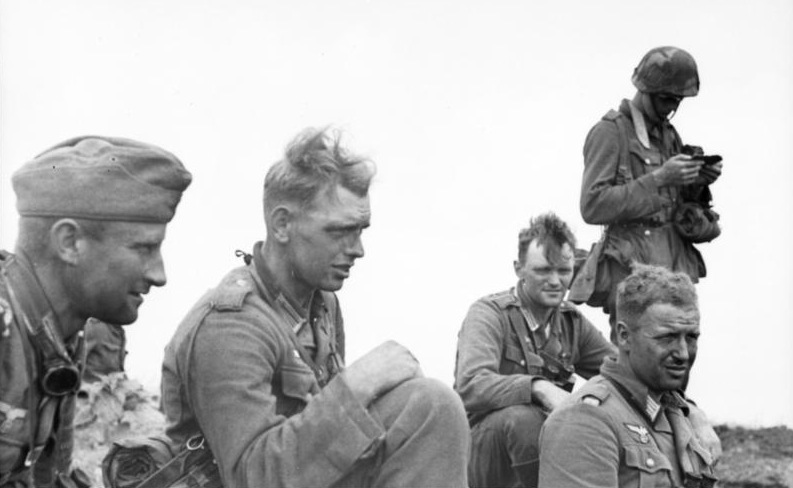
Hitler Calls Off Kursk Offensive
Germany


World War II
Military History
Soviet-German Conflict
3 min read
Updated By: History Editorial Network (HEN)
Published:
Updated:
The Kursk offensive was a critical military operation during World War II, initiated by Nazi Germany with the aim of encircling and destroying Soviet forces in the Kursk salient. The operation was marked by intense fighting and significant troop movements on both sides. However, as the offensive progressed, the Red Army began to regroup and fortify their positions, leading to a stalemate. The German forces faced logistical challenges and heavy casualties, which hampered their ability to sustain the offensive. Despite initial successes in other regions, the situation at Kursk became increasingly dire for the German command. Ultimately, Adolf Hitler made the decision to call off the offensive, recognizing the inability to achieve a decisive victory. This decision had far-reaching implications for the Eastern Front, as it allowed the Soviet Union to maintain its defensive posture and eventually launch counter-offensives that would push German forces back. The failure of the Kursk offensive marked a turning point in the war, as it demonstrated the resilience of the Soviet military and the shifting balance of power in favor of the Allies. The battle itself resulted in substantial losses for both sides, with estimates suggesting that the Soviets suffered around 250,000 casualties while German losses were similarly high. The aftermath of the Kursk offensive solidified the Soviet Union's strategic advantage, enabling them to take the initiative in subsequent operations.
#mooflife
#MomentOfLife
#KurskOffensive
#WorldWarIi
#SovietUnion
#NaziGermany
#EasternFront

Explore the Life Moments of
 AI Twin