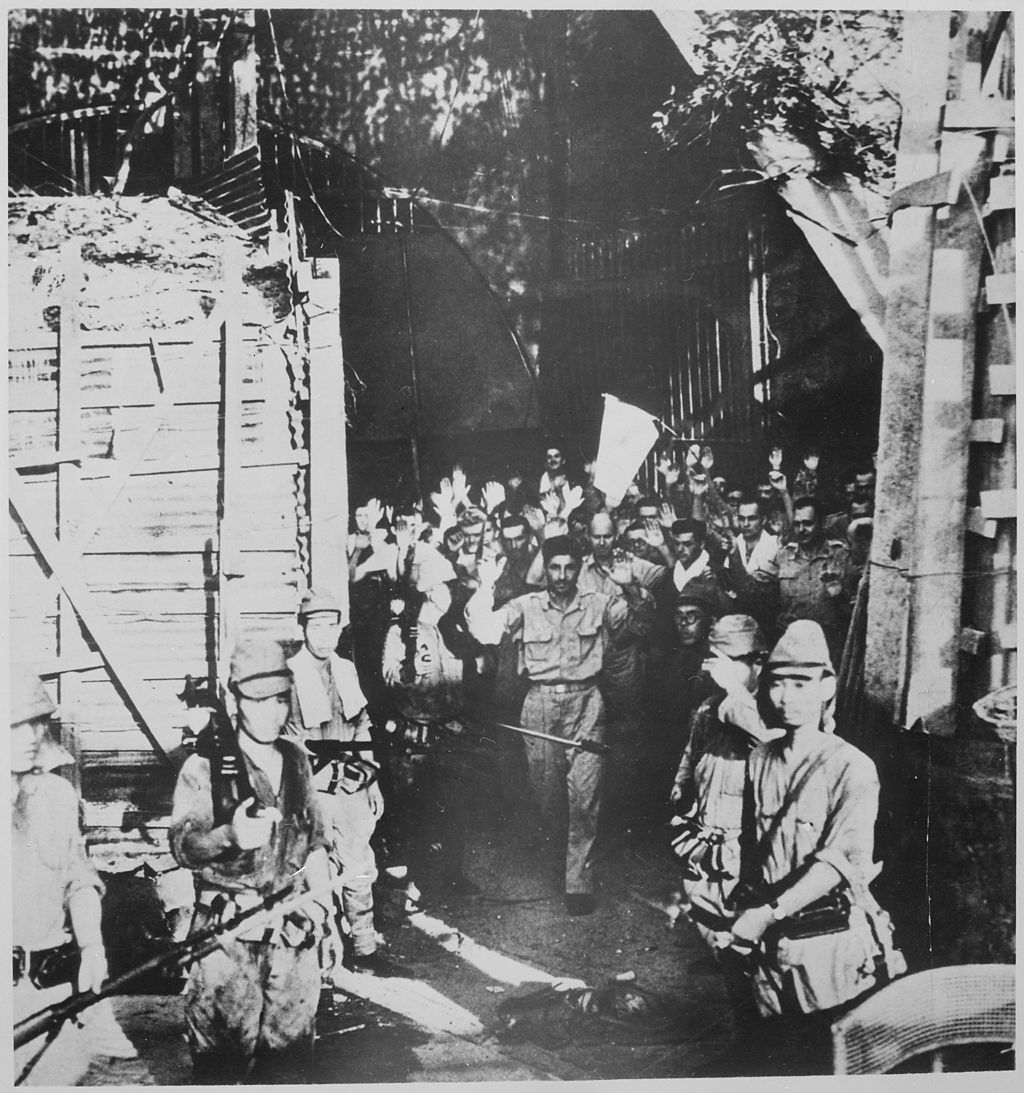
Heavy Japanese artillery attack on Corregidor
Germany
World War II
Military Operations
Historical Events
4 min read
Updated By: History Editorial Network (HEN)
Published:
Updated:
The heavy Japanese artillery attack on Corregidor was a pivotal event during the Pacific theater of World War II. Corregidor, a small island located at the entrance of Manila Bay in the Philippines, served as a critical defensive position for American and Filipino forces. The island was heavily fortified, featuring a network of tunnels and gun emplacements designed to withstand enemy assaults. However, the Japanese military, having gained control over much of the Philippines, launched a concentrated artillery bombardment aimed at crippling the island's defenses. This attack was part of a broader strategy to secure the Philippines and eliminate American military presence in the region. The bombardment inflicted significant damage on the fortifications and morale of the defenders, leading to a gradual erosion of their ability to resist the Japanese advance.
The impact of the artillery attack on Corregidor was profound, as it marked a turning point in the battle for the Philippines. Following the bombardment, Japanese ground forces initiated an invasion of the island, which ultimately led to the surrender of American and Filipino troops. This event not only underscored the effectiveness of Japanese military tactics but also highlighted the challenges faced by Allied forces in the Pacific. The fall of Corregidor had far-reaching consequences, contributing to the overall decline of American military power in the region and altering the strategic landscape of the war. The loss of the island was a significant blow to Allied morale and demonstrated the need for a reevaluation of military strategies in the Pacific theater.
#mooflife
#MomentOfLife
#Corregidor
#JapaneseArtillery
#WorldWarIi
#PacificTheater
#MilitaryHistory
Primary Reference
Battle of Corregidor

Explore the Life Moments of
 AI Twin