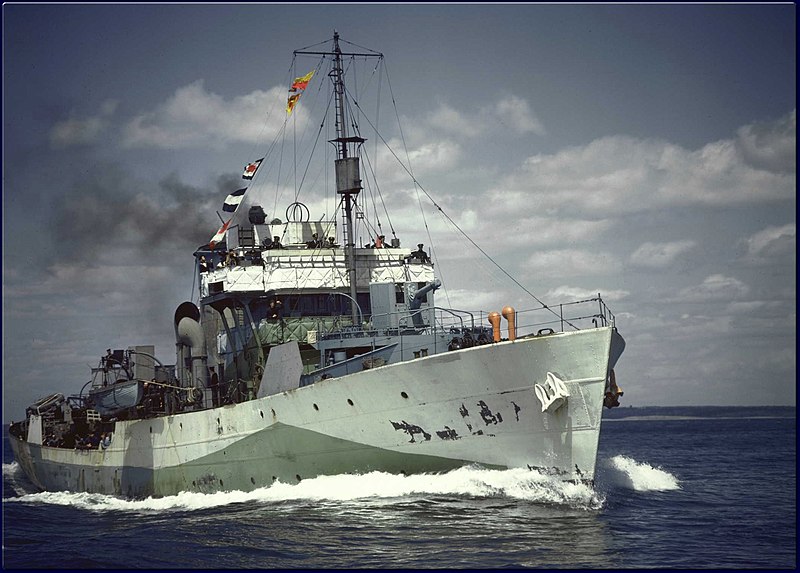
First eastbound transatlantic convoy sets sail
Germany
Maritime History
World War II
Transatlantic Shipping
3 min read
Updated By: History Editorial Network (HEN)
Published:
Updated:
The first eastbound transatlantic convoy departed from Halifax, Canada, heading towards Liverpool, UK. This marked the beginning of a series of organized maritime operations aimed at ensuring the safe passage of goods and military supplies across the Atlantic Ocean during a time of global conflict. The convoy system was established to protect merchant ships from attacks by enemy submarines, which posed a significant threat to transatlantic shipping routes. The initial convoy was designated as HX 1, and it set a precedent for the subsequent 357 HX convoys that would follow, each consisting of multiple merchant vessels traveling together under naval escort. This strategy not only enhanced the security of the ships but also improved the efficiency of transporting essential supplies to support the war effort. The implementation of the convoy system was a response to the increasing losses suffered by merchant shipping due to submarine warfare, which had escalated dramatically. By grouping ships together, the convoys could better defend against attacks, as they could rely on the combined firepower of their escorts and the collective strength of the merchant vessels. The success of these convoys played a crucial role in maintaining supply lines between North America and Europe, which were vital for sustaining military operations and supporting allied forces.
#mooflife
#MomentOfLife
#TransatlanticConvoy
#Halifax
#Liverpool
#MaritimeOperations
#HxConvoys
Primary Reference
HX convoys

Explore the Life Moments of
 AI Twin