Final joint briefing for D-Day
Germany
World War II
Military History
Allied Leadership
4 min read
Updated By: History Editorial Network (HEN)
Published:
Updated:
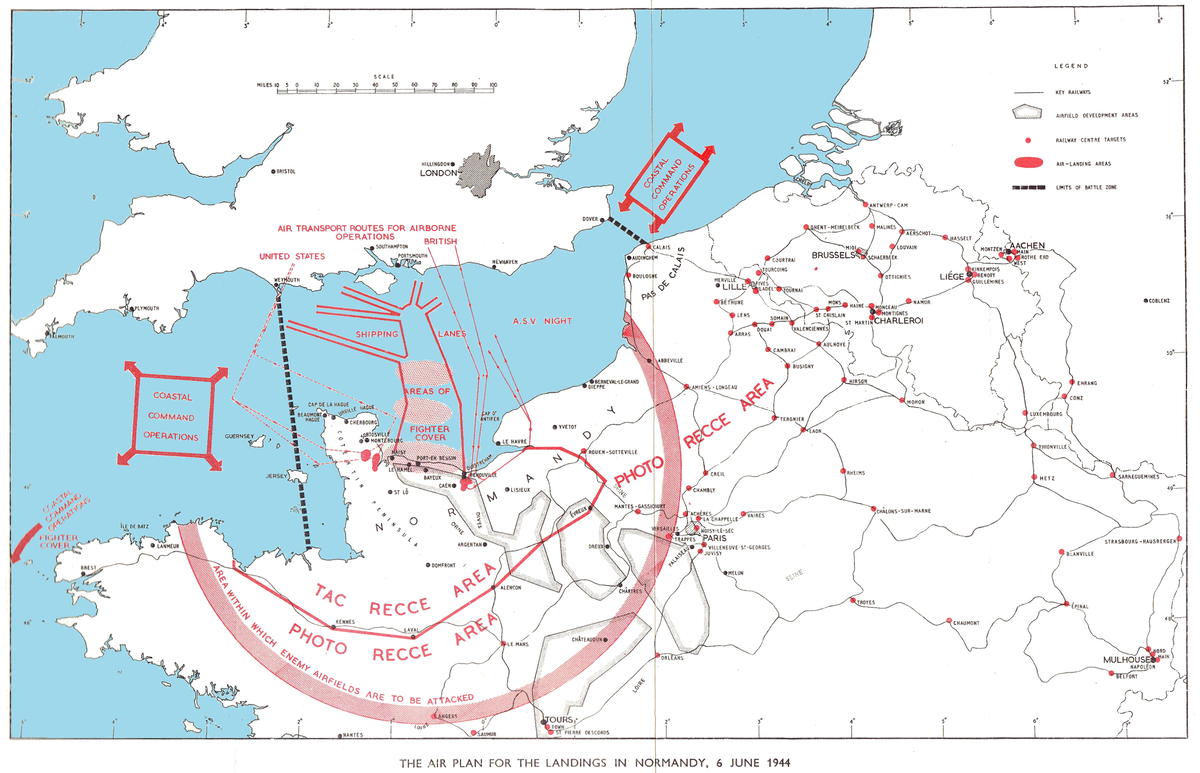
The final joint briefing for D-Day was a crucial meeting that brought together over 130 Allied political leaders and military officers. This gathering included prominent figures such as King George VI, British Prime Minister Winston Churchill, General Dwight D. Eisenhower, Lieutenant General George S. Patton, General Bernard L. Montgomery, and Lieutenant General John C. H. Lee. The meeting took place at St. Paul's School in Hammersmith, located in west London. The purpose of this briefing was to finalize the plans for the Allied invasion of Normandy, which was a pivotal operation in the European theater of World War II. The discussions focused on logistics, troop movements, and coordination among the various Allied forces, which included American, British, Canadian, and other nations' troops. This level of collaboration was unprecedented and highlighted the importance of unity among the Allies in their efforts to defeat Nazi Germany.
The impact of this briefing extended beyond the immediate planning of the D-Day invasion. It symbolized the commitment of the Allied nations to work together towards a common goal. The successful execution of the D-Day operation, which involved landing thousands of troops on the beaches of Normandy, was a turning point in the war. It marked the beginning of the liberation of Western Europe from Nazi occupation. The coordination achieved during this briefing was instrumental in ensuring that the invasion was carried out effectively, with the Allies managing to establish a foothold in France. The success of D-Day ultimately contributed to the downfall of Nazi Germany and the end of the war in Europe, demonstrating the significance of strategic planning and international cooperation in military operations.
#mooflife
#MomentOfLife
#D-day
#AlliedForces
#WorldWarIi
#MilitaryBriefing
#NormandyInvasion
Primary Reference
Normandy landings

Explore the Life Moments of
 AI Twin