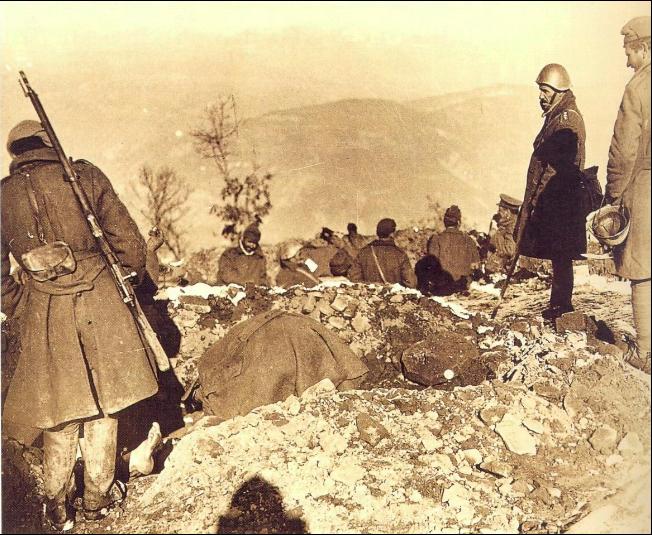
End of Battle of Elaia–Kalamas and Italian Offensive
Germany


Military
World War
4 min read
Updated By: History Editorial Network (HEN)
Published:
Updated:
The Battle of Elaia–Kalamas marked a critical phase in the Italian offensive during the conflict in Greece. This battle was part of a larger campaign initiated by Italy against Greece, which began with an invasion that aimed to expand Italian territory and influence in the Balkans. The Italian forces faced significant challenges, including logistical issues and fierce resistance from Greek troops. The battle itself was characterized by intense fighting along the Elaia and Kalamas rivers, where Greek forces successfully repelled the Italian advance. The outcome of this battle was pivotal, as it not only halted the Italian offensive but also boosted Greek morale and demonstrated the effectiveness of their military strategy. The failure of the Italian forces to secure a decisive victory in this engagement contributed to a broader reassessment of their military capabilities and strategies in the region.
The impact of the Battle of Elaia–Kalamas extended beyond the immediate military outcomes. It signified a turning point in the Greek campaign, leading to a series of successful counter-offensives by Greek and Allied forces. The Italian defeat at Elaia–Kalamas was emblematic of the challenges faced by Axis powers in the Balkans, as it underscored the resilience of Greek forces and their ability to defend their territory against a larger invading army. This battle, along with subsequent engagements, ultimately influenced the strategic landscape of the region, contributing to the eventual involvement of other Allied nations and shaping the course of the war in Europe. The Italian offensive in Greece, which had initially aimed for a swift victory, ended in failure, leading to significant military and political repercussions for Italy and its allies.
#mooflife
#MomentOfLife
#BattleOfElaia-kalamas
#ItalianOffensive
#Greece
#WorldWarIi
#MilitaryHistory
Primary Reference
Battle of Elaia–Kalamas

Explore the Life Moments of
 AI Twin