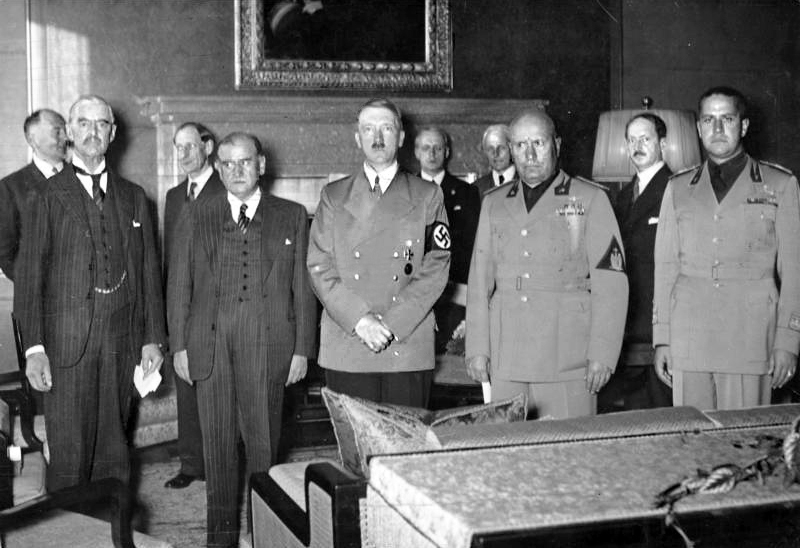
Count Ciano and Mussolini's Italy
Germany
Politics
World War II
4 min read
Updated By: History Editorial Network (HEN)
Published:
Count Ciano served as the Italian Foreign Minister and was notably the son-in-law of Benito Mussolini, the leader of Fascist Italy. His political career was marked by his involvement in Italy's foreign policy during a tumultuous period characterized by World War II and the shifting allegiances of European powers. Ciano initially supported Mussolini's aggressive expansionist policies but later became disillusioned with the direction of the war and the consequences of Mussolini's decisions. This shift in perspective led him to advocate for a peace settlement with the Allies, which put him at odds with the Fascist regime. As the war progressed and Italy faced military setbacks, Ciano's opposition to Mussolini's strategies became more pronounced, ultimately leading to his arrest following the fall of Mussolini's government.
The execution of Count Ciano marked a pivotal moment in the internal dynamics of Mussolini's regime. After Mussolini was deposed, a faction within the revived Fascist government sought to eliminate dissent and consolidate power. Ciano's execution was not only a personal tragedy but also a reflection of the brutal measures taken by the regime to silence opposition. This act served as a warning to others who might consider defying Mussolini's authority. The impact of Ciano's death extended beyond Italy, as it highlighted the internal conflicts within Fascism and the lengths to which the regime would go to maintain control. The execution underscored the fragility of alliances and the volatility of political loyalties during a time of war, contributing to the broader narrative of Fascism's decline in Italy and the eventual rise of the Allied forces.
#mooflife
#MomentOfLife
#CountCiano
#Mussolini
#FascistItaly
#WorldWarIi
#ItalianForeignMinister

Explore the Life Moments of
 AI Twin