Bombing Raids Impacting Manchester
Germany
'%3e%3cpath fill='%23012169' d='M0 0v30h60V0z'/%3e%3cpath stroke='%23fff' stroke-width='6' d='m0 0 60 30m0-30L0 30'/%3e%3cpath stroke='%23C8102E' stroke-width='4' d='m0 0 60 30m0-30L0 30' clip-path='url(%23b)'/%3e%3cpath stroke='%23fff' stroke-width='10' d='M30 0v30M0 15h60'/%3e%3cpath stroke='%23C8102E' stroke-width='6' d='M30 0v30M0 15h60'/%3e%3c/g%3e%3c/svg%3e)

War
World War II
4 min read
Updated By: History Editorial Network (HEN)
Published:
Updated:
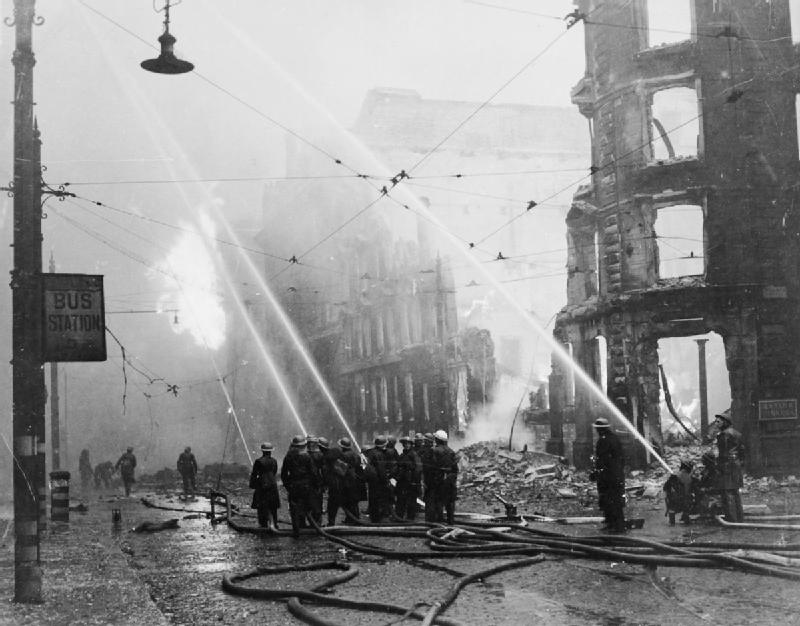
The bombing raids on Manchester were part of a broader strategy employed by the Luftwaffe during the conflict. Manchester, a significant industrial hub, was targeted due to its production capabilities and economic importance. The raids aimed to disrupt manufacturing and demoralize the civilian population. The impact of these attacks was profound, leading to loss of life, destruction of property, and a significant strain on local resources. The city faced extensive damage to its infrastructure, including factories and residential areas, which hampered wartime production efforts. In response to the bombings, the local government and community organizations mobilized to provide aid and support to those affected. Emergency services worked tirelessly to rescue individuals trapped in rubble and to provide medical care to the injured. The psychological effects of the raids were also notable, as fear and anxiety permeated the community, leading to changes in daily life and routines. The resilience of the Manchester populace was evident as they adapted to the challenges posed by the ongoing threat of air raids. The raids not only highlighted the strategic importance of Manchester in the war effort but also underscored the broader implications of aerial warfare on urban centers. The long-term effects included a shift in urban planning and civil defense strategies, as cities began to prioritize the protection of critical infrastructure and the safety of their citizens in the face of future conflicts.
#mooflife
#MomentOfLife
#Manchester
#BombingRaids
#Luftwaffe
#WorldWarIi
#CivilDefense
Primary Reference
Manchester Blitz

Explore the Life Moments of
 AI Twin