Bombing raids exchanged between Germany and Britain
Germany
'%3e%3cpath fill='%23012169' d='M0 0v30h60V0z'/%3e%3cpath stroke='%23fff' stroke-width='6' d='m0 0 60 30m0-30L0 30'/%3e%3cpath stroke='%23C8102E' stroke-width='4' d='m0 0 60 30m0-30L0 30' clip-path='url(%23b)'/%3e%3cpath stroke='%23fff' stroke-width='10' d='M30 0v30M0 15h60'/%3e%3cpath stroke='%23C8102E' stroke-width='6' d='M30 0v30M0 15h60'/%3e%3c/g%3e%3c/svg%3e)

Military History
World War II
Aerial Warfare
3 min read
Updated By: History Editorial Network (HEN)
Published:
Updated:
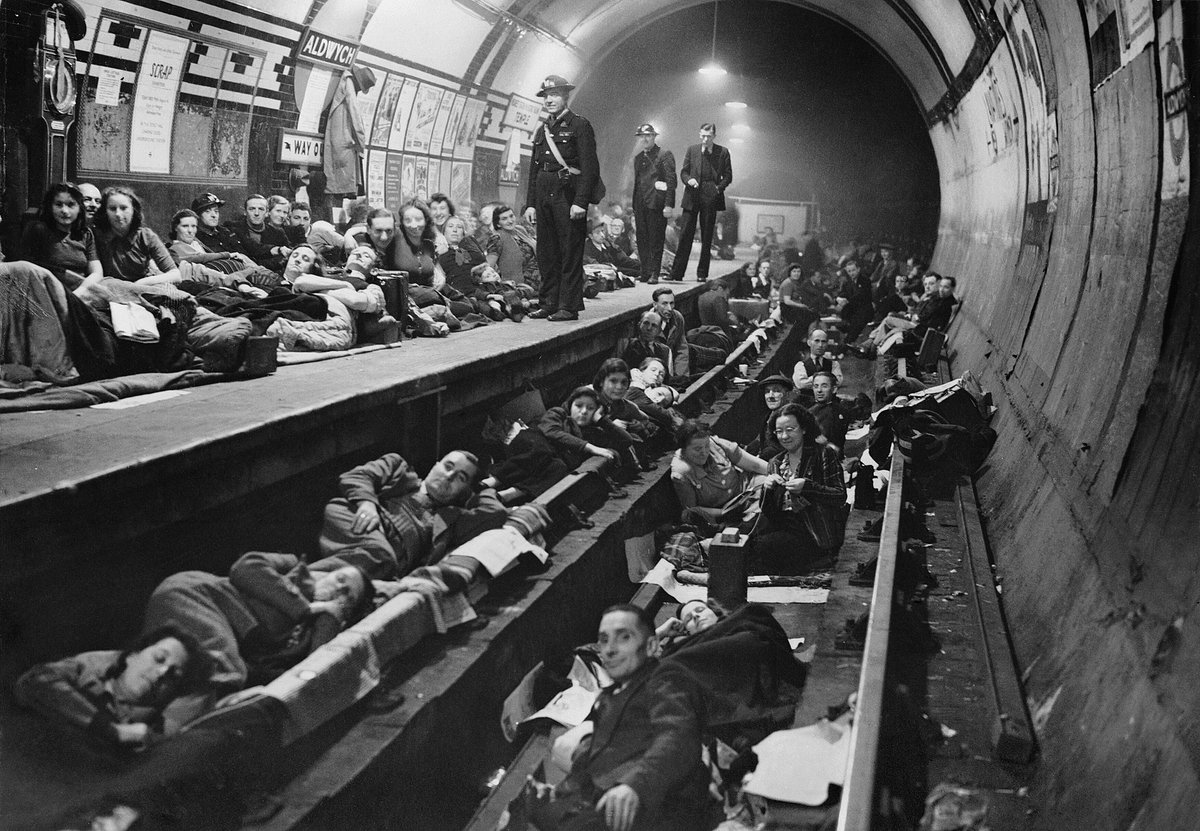
In the context of World War II, a series of bombing raids were exchanged between Germany and Britain, marking a significant escalation in aerial warfare. The German Luftwaffe initiated the campaign by targeting British cities, aiming to weaken morale and disrupt industrial production. In response, the Royal Air Force (RAF) launched counter-raids against German cities, including Düsseldorf and Turin, as part of a strategic effort to retaliate and demonstrate resilience. This exchange of bombing raids was not only a tactical maneuver but also a psychological operation intended to instill fear and uncertainty in the civilian population of the opposing nation. The impact of these raids was profound, leading to significant destruction of infrastructure and loss of life on both sides. The civilian population became increasingly involved in the war effort, with many taking shelter during air raids and contributing to defense initiatives. The bombing campaigns also prompted advancements in air defense technologies and tactics, as both nations sought to protect their cities from aerial attacks. The ongoing cycle of retaliation contributed to the overall intensity of the conflict, shaping military strategies and influencing public sentiment throughout the war.
#mooflife
#MomentOfLife
#WorldWarIi
#AerialWarfare
#BombingRaids
#Germany
#Britain
Primary Reference
The Blitz

Explore the Life Moments of
 AI Twin