Battle of the Java Sea
Germany


'%3e%3cpath fill='%23012169' d='M0 0v30h60V0z'/%3e%3cpath stroke='%23fff' stroke-width='6' d='m0 0 60 30m0-30L0 30'/%3e%3cpath stroke='%23C8102E' stroke-width='4' d='m0 0 60 30m0-30L0 30' clip-path='url(%23b)'/%3e%3cpath stroke='%23fff' stroke-width='10' d='M30 0v30M0 15h60'/%3e%3cpath stroke='%23C8102E' stroke-width='6' d='M30 0v30M0 15h60'/%3e%3c/g%3e%3c/svg%3e)
'/%3e%3c/defs%3e%3cpath fill='%23012169' d='M0 0h10080v5040H0z'/%3e%3cpath stroke='%23fff' stroke-width='.6' d='m0 0 6 3m0-3L0 3' clip-path='url(%23b)' transform='scale(840)'/%3e%3cpath stroke='%23e4002b' stroke-width='.4' d='m0 0 6 3m0-3L0 3' clip-path='url(%23c)' transform='scale(840)'/%3e%3cpath stroke='%23fff' stroke-width='840' d='M2520 0v2520M0 1260h5040'/%3e%3cpath stroke='%23e4002b' stroke-width='504' d='M2520 0v2520M0 1260h5040'/%3e%3cg fill='%23fff'%3e%3cuse xlink:href='%23d' x='2520' y='3780'/%3e%3cuse xlink:href='%23a' x='7560' y='4200'/%3e%3cuse xlink:href='%23a' x='6300' y='2205'/%3e%3cuse xlink:href='%23a' x='7560' y='840'/%3e%3cuse xlink:href='%23a' x='8680' y='1869'/%3e%3cuse xlink:href='%23e' x='8064' y='2730'/%3e%3c/g%3e%3c/svg%3e)
Historical Events
Military History
Naval Warfare
3 min read
Updated By: History Editorial Network (HEN)
Published:
Updated:
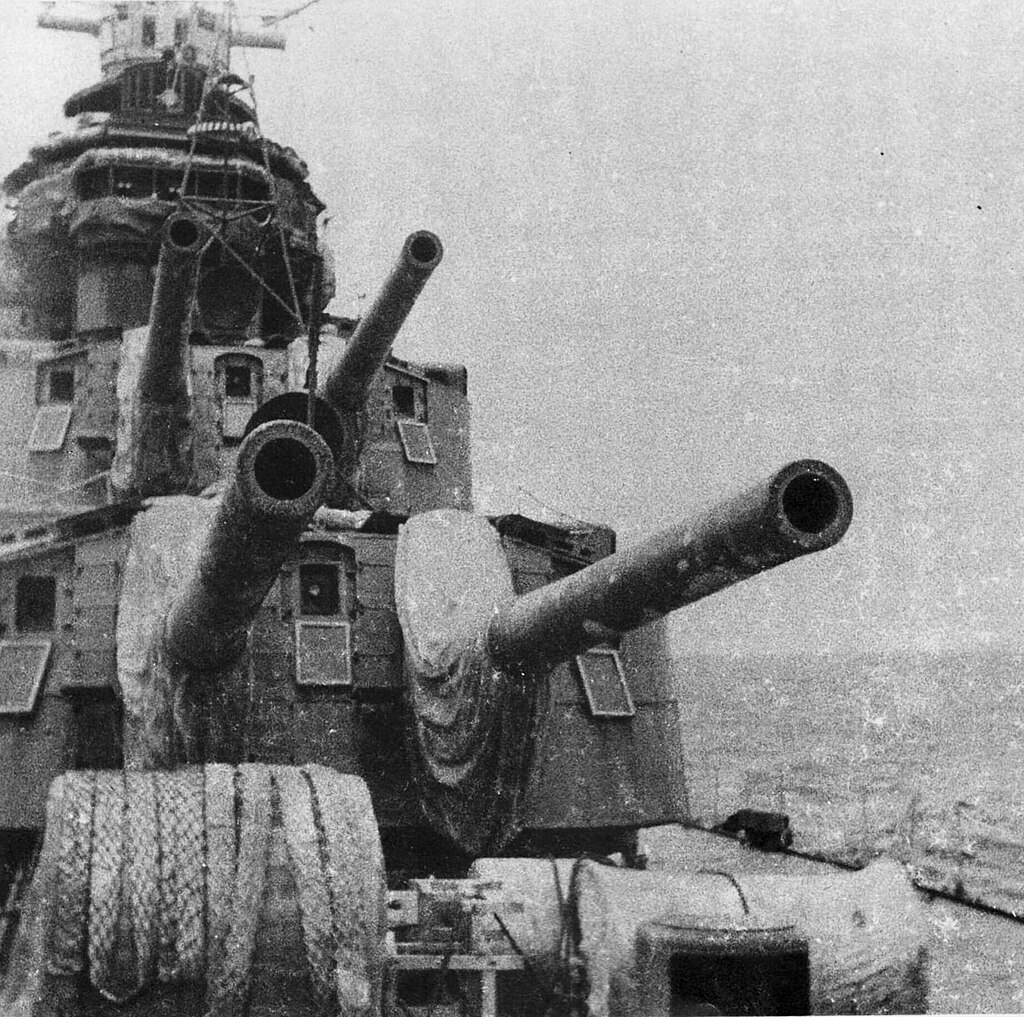
The Battle of the Java Sea was a crucial naval engagement during World War II, involving a combined fleet of Allied forces under the command of Dutch Rear Admiral Karl Doorman. This battle was part of the larger campaign in the Pacific theater, where the Allies sought to defend their positions against the advancing Japanese forces. The engagement resulted in significant losses for the Allied fleet, which included the sinking of two light cruisers and three destroyers. The battle highlighted the challenges faced by the Allies in coordinating their naval operations and responding to the aggressive tactics employed by the Japanese navy.
In addition to the naval confrontations, the battle also saw the USS Langley, the United States Navy's first aircraft carrier, come under attack by nine Japanese Betty bombers. The carrier sustained considerable damage during the assault and was ultimately scuttled to prevent it from falling into enemy hands. This event underscored the vulnerability of Allied forces in the region and marked a turning point in the control of the Java Sea. Following the naval engagements, Japanese land forces launched an invasion of Java, further consolidating their hold in Southeast Asia and demonstrating the effectiveness of their military strategy in the Pacific.
#mooflife
#MomentOfLife
#BattleOfTheJavaSea
#WorldWarIi
#NavalWarfare
#AlliedForces
#JapaneseInvasion
Primary Reference
Battle of the Java Sea

Explore the Life Moments of
 AI Twin