Battle of the Barents Sea
Germany
World War II
Naval Warfare
Military Strategy
4 min read
Updated By: History Editorial Network (HEN)
Published:
Updated:
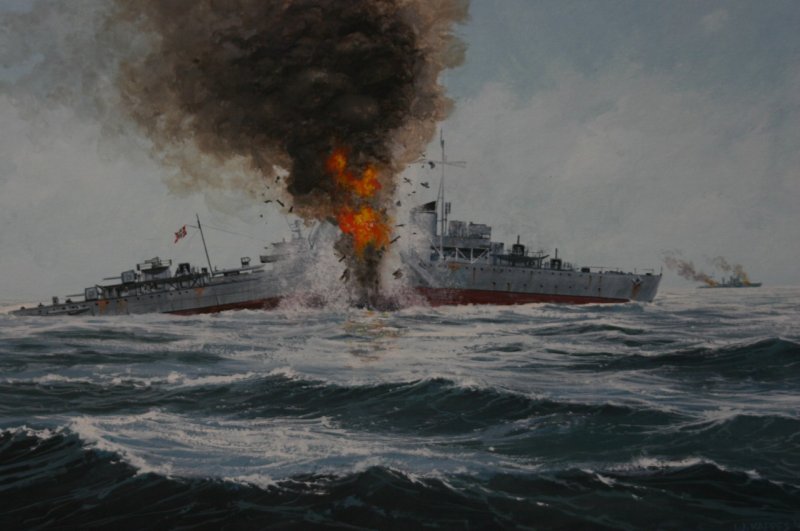
The Battle of the Barents Sea was a naval engagement that took place during World War II, primarily involving British and German forces. The British Royal Navy aimed to protect Arctic convoys that were crucial for supplying the Soviet Union. The battle was characterized by a series of confrontations between British ships and German surface raiders. The British forces, utilizing their naval strength and tactics, achieved a strategic victory. This outcome had significant implications for the German naval strategy, as it led Adolf Hitler to largely abandon the use of surface raiders, which had been a key component of the Kriegsmarine's operations, in favor of deploying U-boats for submarine warfare. The shift in strategy reflected the changing dynamics of naval warfare and the increasing effectiveness of Allied forces in the Arctic region.
The impact of the Battle of the Barents Sea extended beyond immediate military outcomes. It contributed to a more favorable situation for the Allies as the year progressed. By the end of the year, the Allies were experiencing a series of successes on multiple fronts. Notably, German forces were encircled at Stalingrad, and Rommel's troops were trapped in Tunisia. Additionally, the Japanese were showing signs of retreat from Guadalcanal. These developments indicated a turning tide in the war, with the Allies gaining momentum and confidence. The victory in the Barents Sea not only secured vital supply routes but also bolstered Allied morale, reinforcing the belief that the Axis powers could be defeated.
#mooflife
#MomentOfLife
#BattleOfTheBarentsSea
#WorldWarIi
#BritishNavy
#GermanNavy
#AlliedForces
Primary Reference
Battle of the Barents Sea

Explore the Life Moments of
 AI Twin