Anglo-Soviet Treaty and Peace Negotiations
Germany
'%3e%3cpath fill='%23012169' d='M0 0v30h60V0z'/%3e%3cpath stroke='%23fff' stroke-width='6' d='m0 0 60 30m0-30L0 30'/%3e%3cpath stroke='%23C8102E' stroke-width='4' d='m0 0 60 30m0-30L0 30' clip-path='url(%23b)'/%3e%3cpath stroke='%23fff' stroke-width='10' d='M30 0v30M0 15h60'/%3e%3cpath stroke='%23C8102E' stroke-width='6' d='M30 0v30M0 15h60'/%3e%3c/g%3e%3c/svg%3e)

International Relations
3 min read
Updated By: History Editorial Network (HEN)
Published:
Updated:
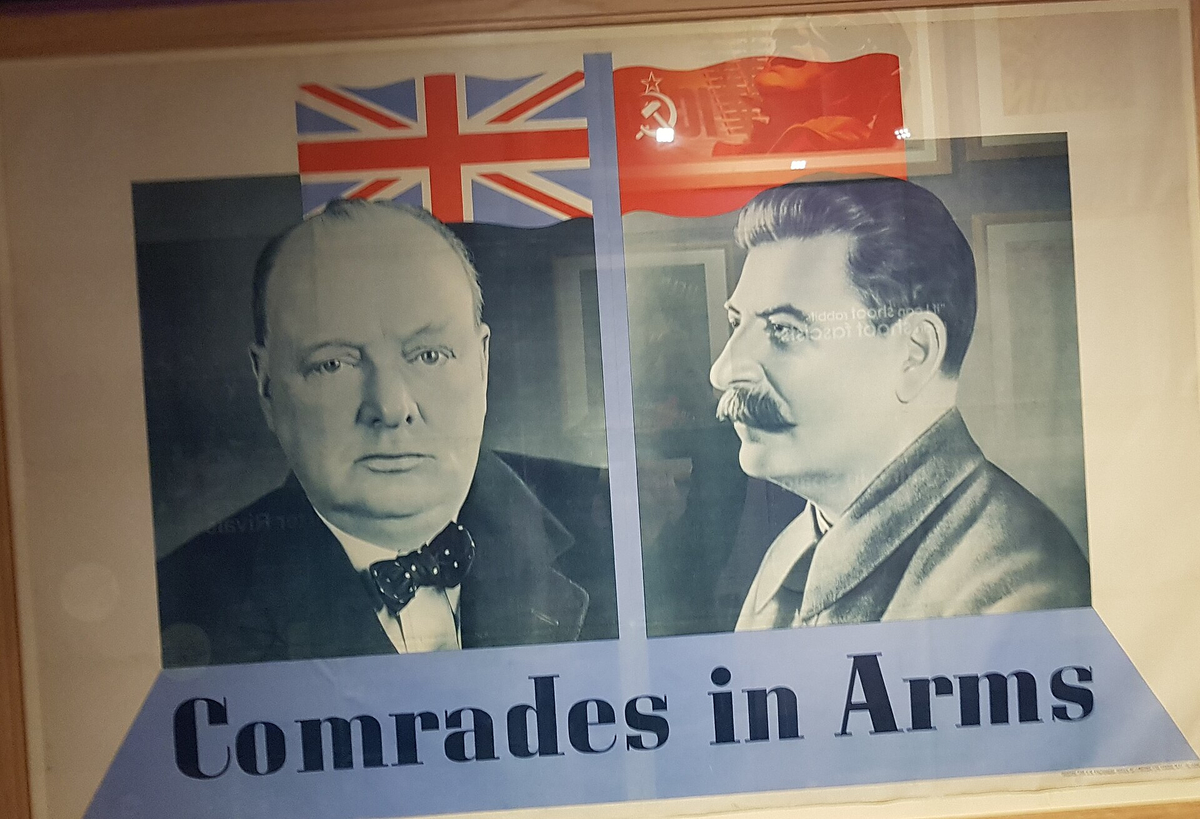
The Anglo-Soviet Treaty was a pivotal agreement between the United Kingdom and the Soviet Union during a time of global conflict. The treaty established a framework for cooperation between the two nations, particularly in the context of their shared opposition to Axis powers. One of the key stipulations of the treaty was that neither country would sign a peace agreement without the consent of the other. This clause was particularly important given the geopolitical landscape, as there were concerns that factions within Germany, such as Himmler and others, might attempt to drive a wedge between the UK and the Soviet Union as the war progressed. The treaty aimed to solidify the alliance and ensure that both nations remained united in their efforts against common enemies. The collaboration fostered by the treaty had significant implications for military strategy and diplomatic relations, as it allowed for coordinated efforts on various fronts, including the Eastern and Western theaters of war. The Anglo-Soviet Treaty not only reinforced the military alliance but also laid the groundwork for post-war negotiations and the future relationship between the two powers, which would later be tested during the Cold War era.
#mooflife
#MomentOfLife
#Anglo-sovietTreaty
#PeaceNegotiations
#WorldWarIi
#GeopoliticalAlliances
#MilitaryStrategy
Primary Reference
Anglo-Soviet Treaty of 1942

Explore the Life Moments of
 AI Twin