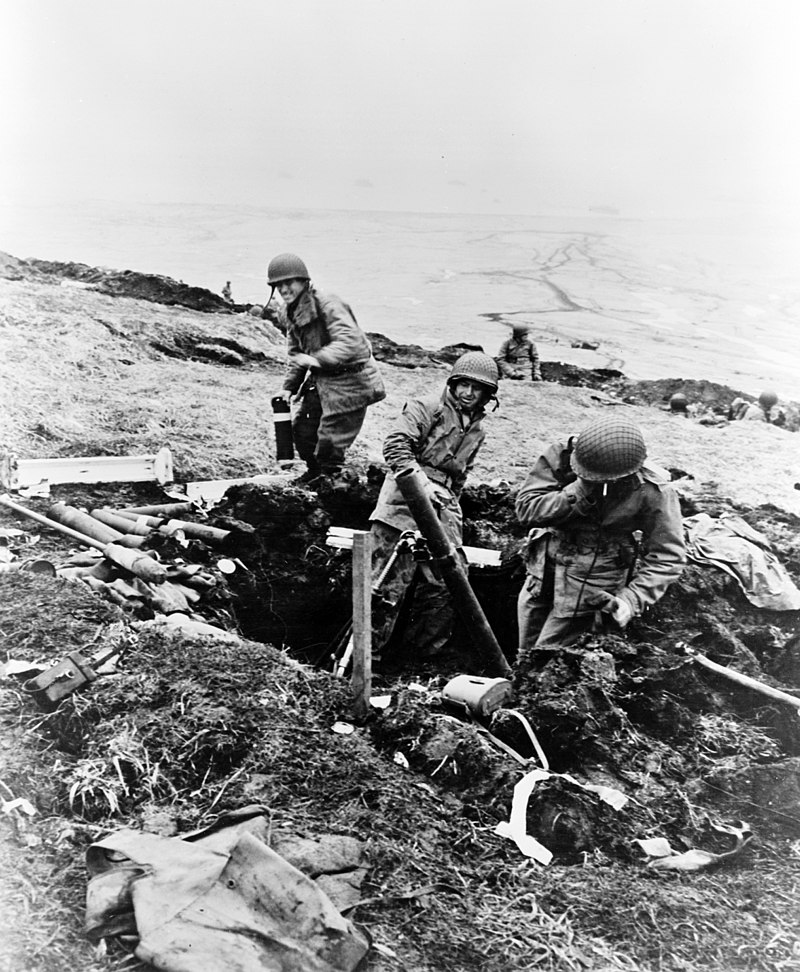
American Control Restored at Atut Island
Germany


Military
World War II
3 min read
Updated By: History Editorial Network (HEN)
Published:
Updated:
The Battle of Attu was a crucial military engagement during World War II, marking the only land battle fought in North America. This battle was part of the Aleutian Islands Campaign, which aimed to reclaim territory occupied by Japanese forces. Attu Island, located in the Aleutian chain, was strategically significant due to its position in the North Pacific. The battle commenced with American forces launching an offensive to retake the island from Japanese troops who had occupied it. The operation involved extensive planning and coordination, as the harsh weather conditions and rugged terrain posed significant challenges to the troops. The American forces faced fierce resistance from the Japanese defenders, who were well entrenched and prepared for the assault. The battle resulted in heavy casualties on both sides, with American forces ultimately prevailing after a prolonged and grueling fight. The successful recapture of Attu Island allowed the United States to regain control of the strategic area and served as a morale booster for the Allied forces. The victory also facilitated subsequent operations in the Aleutians, contributing to the overall strategy of isolating Japan and securing the Pacific theater. The battle underscored the importance of air and naval support in modern warfare, as the U.S. Navy played a critical role in providing logistical support and covering fire for ground troops during the operation.
#mooflife
#MomentOfLife
#BattleOfAttu
#WorldWarIi
#AleutianIslandsCampaign
#AmericanMilitaryHistory
#PacificTheater
Primary Reference
Battle of Attu

Explore the Life Moments of
 AI Twin