Trench Warfare in World War I: Gruesome Stalemate and Technological Advancements
Germany
Military
5 min read
Updated By: History Editorial Network (HEN)
Published:
Updated:
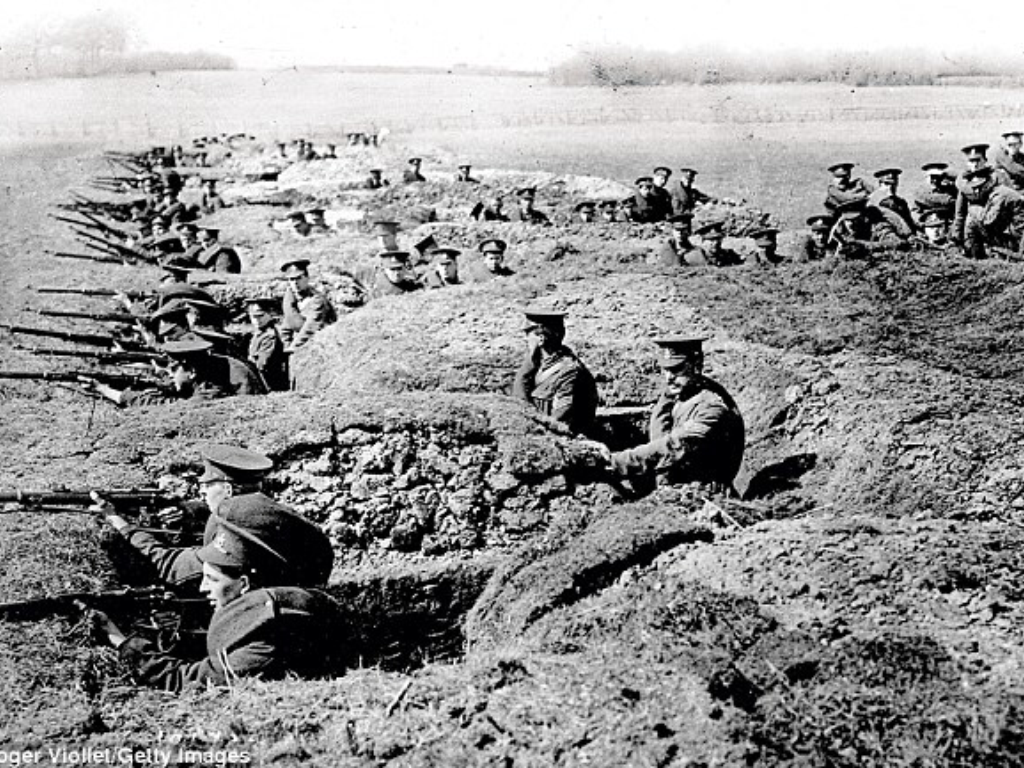
The progression of World War I saw a shift in combat tactics, marked by the establishment of trench warfare on the Western Front. This shift occurred as both the Allied and Central Powers transitioned from mobile warfare to defensive, fortified positions, creating a static frontline that persisted for much of the war. This form of warfare involved extensive networks of trenches, where soldiers faced harrowing conditions, including mud, disease, and constant artillery bombardments.
Trench warfare became the defining characteristic of the conflict on the Western Front, particularly evident from the Belgian coast to the Swiss border. The trenches stretched over 400 miles, with complex systems leading to a stalemate, a situation where neither side could gain a decisive advantage. This form of combat led to prolonged engagements, where attempts to break through enemy lines resulted in high casualties and minimal territorial gains.
The trenches were accompanied by barbed wire defenses, machine gun emplacements, and artillery support. Battles such as those at Ypres, the Somme, and Verdun epitomized the brutality and futility often associated with trench warfare. At the Battle of the Somme, for example, British forces experienced nearly 60,000 casualties on the first day alone.
The impasse fostered advancements in military technology and tactics in hopes of breaking the deadlock. This included the development and deployment of tanks, poison gas, and improved artillery techniques. However, these innovations often had limited immediate success in overcoming the entrenched positions.
Trench warfare significantly affected soldiers' morale and the civilian population's perceptions of the war. The conditions within the trenches included constant threats from enemy fire, poor hygiene leading to diseases such as trench foot, and the psychological toll of long-term exposure to combat stress.
This method of warfare highlighted the strategic and tactical challenges of World War I, shaping the course of military history and the conduct of future conflicts. The persistence of trench warfare on the Western Front demonstrated the difficulty of achieving swift, decisive victories in the face of well-entrenched defenses.
#MoofLife #TrenchWarfare #WesternFront #WorldWarI #MilitaryHistory #WarfareTactics
Primary Reference
Was World War I ever fought outside of the trenches? : r/history
Explore the Life Moments of
 AI Twin