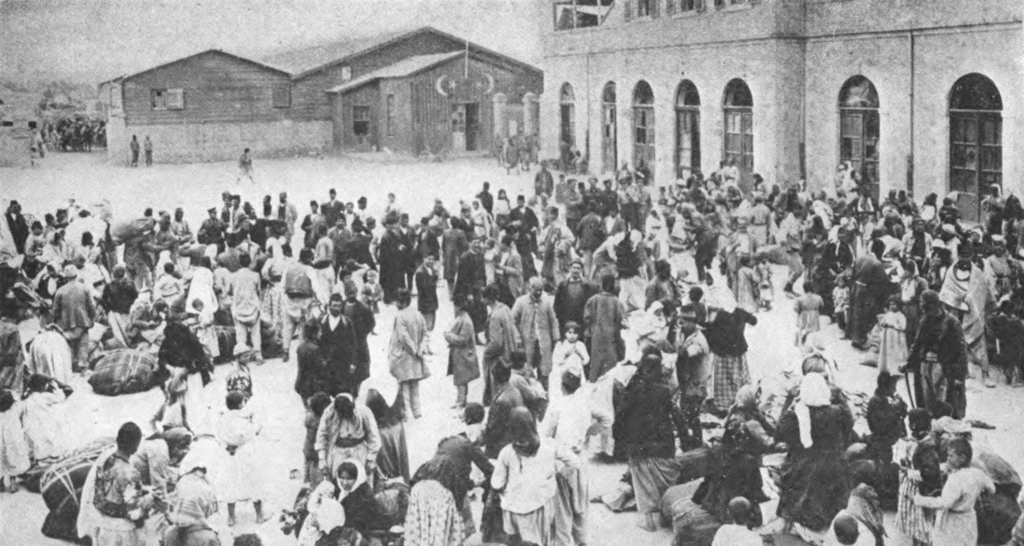
The Armenian Genocide continued as mass deportations and massacres of Armenian populations were carried out throughout the Ottoman Empire.
Germany
6 min read
Updated By: History Editorial Network (HEN)
Published:
Updated:
On June 21, 1915, during the height of World War I, the Armenian Genocide advanced from targeted arrests and isolated killings into widespread mass deportations and massacres. Following the arrests of Armenian intellectuals in Constantinople on April 24, the Ottoman Empire escalated its campaign against Armenians throughout its territories. This period saw the brutal and organized forced deportation of Armenian populations from their ancestral towns and villages into the harsh Syrian Desert and other remote regions, where the majority would perish.
This second phase of the genocide involved the systematic removal of Armenians, particularly from the eastern provinces, where they were forcibly marched or transported in packed, unsanitary train cars. Ottoman soldiers, paramilitary forces, and local militias coordinated to carry out these operations with a level of brutality that ensured high mortality rates. Those who survived the initial violence faced long, grueling marches with little to no food, water, or shelter. Thousands died along the way from starvation, exhaustion, dehydration, and exposure. The infamous "death marches" sent many Armenians to makeshift camps in the desert, where death by disease, hunger, and further massacres awaited.
As news of these atrocities spread, accounts from diplomats, missionaries, and journalists in the Ottoman Empire reached the international community, yet intervention was limited, as major world powers were deeply entangled in the ongoing global conflict. Despite global awareness, the atrocities continued largely unchecked, with the Ottoman government concealing or justifying the actions under the guise of national security during wartime. This intense campaign of forced deportation and massacre continued throughout 1915 and beyond, eventually leading to the deaths of approximately 1.5 million Armenians by 1923.
The Armenian Genocide had a devastating impact on the Armenian community, effectively destroying Armenian culture, communities, and families in the region where they had lived for centuries. Survivors of the genocide were scattered, creating a large Armenian diaspora that continues to bear witness to this tragedy.
The events of June 1915 are pivotal in the history of the Armenian Genocide, marking the point at which persecution became an open, large-scale extermination. This moment in history, along with the entire genocide, remains a significant and tragic reminder of the consequences of ethnic hatred, unchecked power, and silence in the face of human rights atrocities. Despite the passage of time, the global Armenian community and many human rights organizations continue to work for greater awareness, recognition, and justice for this dark chapter.
#ArmenianGenocide #WWI #HumanRights #NeverForget #MomentsOfLife #MoofLife_Moment #MoofLife
Primary Reference
The Armenian Genocide (1915-16): Overview | Holocaust ...

Explore the Life Moments of
 AI Twin