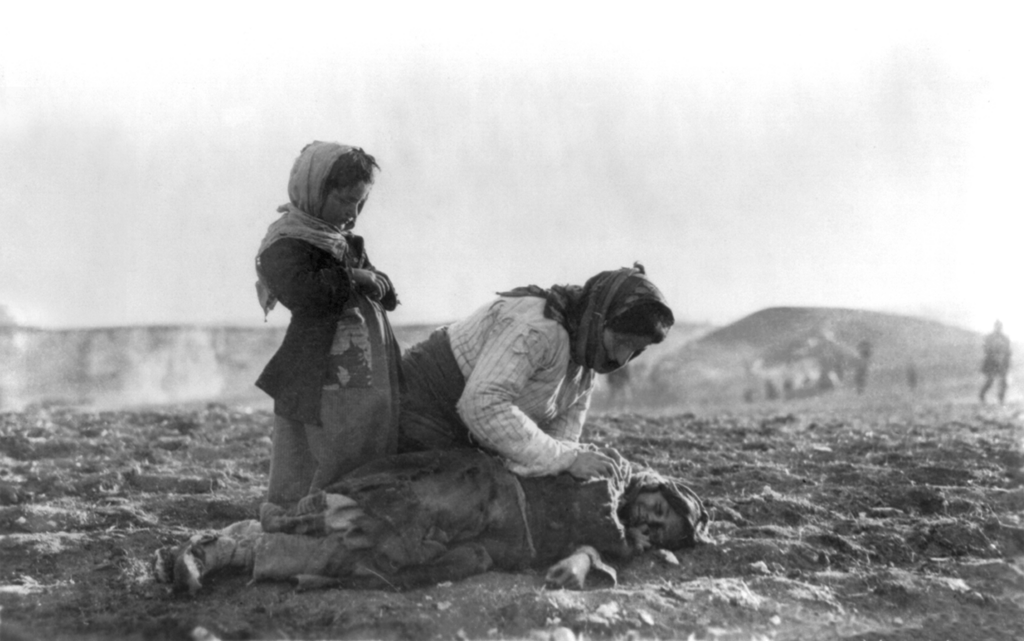
The Armenian Genocide continued across the Ottoman Empire, with deportations and massacres contributing to widespread loss of life among Armenian populations.
Germany
6 min read
Updated By: History Editorial Network (HEN)
Published:
Updated:
In September 1915, the Armenian Genocide persisted with unrelenting violence, as the Ottoman Empire continued its campaign of forced deportations and massacres against Armenian populations. By this stage, the scale of the genocide was immense, with the Ottoman authorities using every available means to systematically eliminate Armenians from their lands. The atrocities had by now extended throughout the empire, reaching even its remotest regions, ensuring that few Armenians could escape the campaign of extermination.
In September, thousands of Armenians who had survived earlier deportations now faced death in the arid deserts of Syria and Mesopotamia. These desolate regions had been chosen as the final destination for deportees because the harsh conditions virtually guaranteed that many would not survive. Those who reached these barren areas were met with extreme heat, inadequate shelter, and almost no access to food or water, leading to mass starvation and disease outbreaks. For many, death came slowly from these conditions, while others faced further massacres even after reaching supposed relocation sites. The local Ottoman authorities continued to facilitate and even escalate these brutal policies, with local militias and soldiers often tasked with guarding, assaulting, or executing the deportees.
The international response to the genocide grew louder as reports continued to surface from missionaries, diplomats, and journalists. U.S. Ambassador Henry Morgenthau Sr. persistently documented and reported the horrors unfolding in the Ottoman Empire, describing the massacres and forced marches as a deliberate plan to "destroy the Armenian race." However, despite these efforts, the Allied powers were largely unable to intervene effectively, as they remained focused on World War I’s battlefronts.
September 1915 saw the near-total collapse of Armenian community structures within the Ottoman Empire. Homes, churches, schools, and cultural sites lay abandoned or were destroyed, erasing centuries of Armenian presence in the region. Families were scattered or eradicated, leaving many survivors with the immense psychological scars of witnessing the destruction of their loved ones and their heritage.
Today, September 1915 is remembered as a month of intense suffering and loss during the Armenian Genocide. The survivors of this brutal period became the foundation of the Armenian diaspora, carrying with them the memories of those who perished and the determination to honor their legacy. The genocide’s legacy continues to shape international human rights dialogues, and Armenian communities worldwide observe this period as a solemn reminder of their collective history.
#ArmenianGenocide #WWI #HumanRights #GenocideRecognition #MomentsOfLife #MoofLife_Moment #MoofLife
Primary Reference
Armenian genocide - Wikipedia
Explore the Life Moments of
 AI Twin