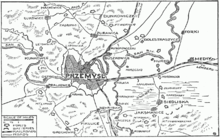
Siege of Przemyśl: Austro-Hungarian victory shifts balance in World War I.
Germany
Military
4 min read
Updated By: History Editorial Network (HEN)
Published:
Updated:
The Siege of Przemyśl concluded with Austro-Hungarian forces capturing a key fortress, significantly impacting Russian control in Eastern Europe during World War I. Przemyśl was one of the largest fortresses in Europe, strategically positioned in Galicia. Its fall marked a pivotal shift in the balance of power on the Eastern Front.
During the siege, the Russian Empire deployed considerable resources and manpower, aiming to weaken Austro-Hungarian defenses and gain strategic advantage. Conversely, the Austro-Hungarian army, despite facing supply shortages and isolation, managed to mount a robust defense, prolonging the siege and impeding Russian advances.
The conclusion of the siege saw Austro-Hungarian troops effectively breach the Russian lines, reclaiming the fortress after months of intense combat. This victory resulted in approximately 110,000 Russian troops being taken as prisoners of war and a significant quantity of military equipment being seized.
The capture of Przemyśl fortified the morale of the Austro-Hungarian forces and disrupted Russian campaigns in the region. It highlighted the strategic importance of fortifications in wartime and underlined the fragility of Russian supply lines and military coordination. The outcome of Przemyśl had lasting implications on subsequent military engagements and the broader dynamics of World War I, influencing the tactics and strategies employed by both sides in the following years of conflict.
#MoofLife #WorldWarI #HistoricSiege #MilitaryStrategy #EasternFront #PrzemyslVictory
Primary Reference
Eastern Front | WW1, Definition, Battles, & Casualties | Britannica

Explore the Life Moments of
 AI Twin