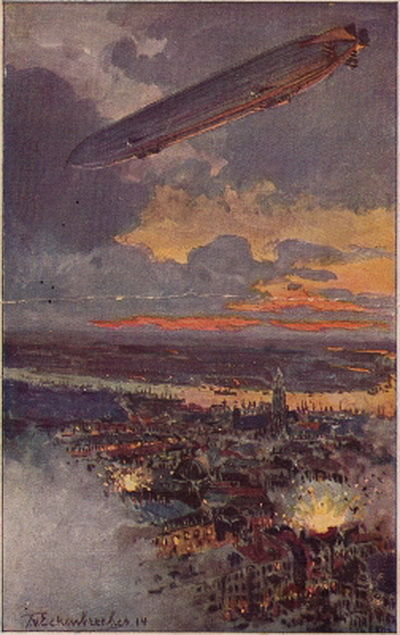
Siege of Antwerp: German offensive targets Belgian fortress city, altering WWI landscape.
Germany
Military Strategy
World War I
3 min read
Updated By: History Editorial Network (HEN)
Published:
Updated:
The Siege of Antwerp began with German forces launching an offensive against the Belgian fortress city as part of their campaign to secure Belgium. The German Army aimed to capture key strategic positions in Belgium to fortify their western front and secure supply lines.
Antwerp, a well-fortified city with impressive defenses, was a crucial target for the German military. The fortress city was protected by a ring of modernized fortifications and natural barriers that made it a formidable defensive position. As German forces advanced, they employed heavy artillery and coordinated infantry assaults to overcome the Belgian defenses.
Belgian forces, under the command of King Albert I, mounted a determined defense. Despite their efforts, the German forces utilized superior numbers and artillery firepower to penetrate the fortifications. The fall of Antwerp was a significant blow to the Belgian resistance. The siege resulted in considerable destruction and civilian casualties, contributing to the broader devastation of the Western Front.
The capture of Antwerp allowed German forces to continue their advance into Belgium, further securing their positions in the region. The fall of the city underscored the Germans' strategic priorities in the early stages of World War I, demonstrating the brutal efficiency and coordination of their military machine.
#WorldWarI #SiegeOfAntwerp #MilitaryStrategy #GermanOffensive #Belgium #MoofLife
Primary Reference
German invasion of Belgium (1914) - Wikipedia
Explore the Life Moments of
 AI Twin