Second Battle of Artois: French and British fail to break German defenses in WWI.
Germany
Warfare
Military
4 min read
Updated By: History Editorial Network (HEN)
Published:
Updated:
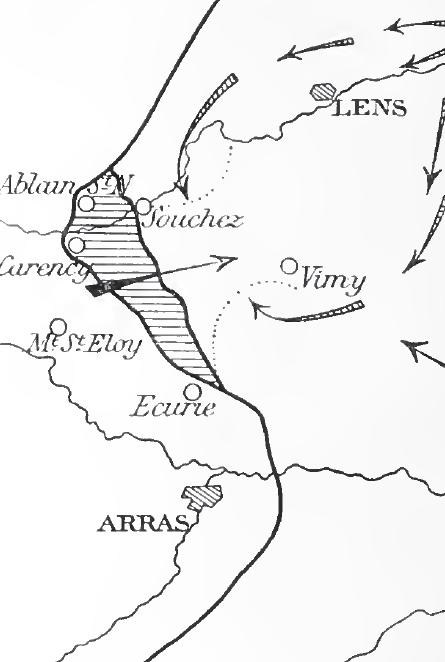
The Second Battle of Artois ended with French and British forces failing to achieve a breakthrough against German defenses. The offensive took place during World War I in the Artois region of France. French and British armies aimed to break through the German lines, capturing the Vimy Ridge and disrupting German supply lines.
The battle initiated with heavy artillery bombardments intended to weaken the German fortifications. Infantry assaults followed, yet they encountered well-entrenched German positions that significantly hindered their progress. Despite repeated attempts, the Allies were unable to penetrate the German defenses effectively.
The engagement led to substantial casualties on both sides. French and British forces sustained heavy losses, estimated in the tens of thousands, highlighting the high human cost of trench warfare. German forces also faced significant casualties but maintained their defensive positions due to their extensive fortifications and strategic preparations.
The outcome of the battle illustrated the difficulties of breaking through enemy lines in trench warfare, where heavily fortified positions and machine gun nests dominated the battlefield. The failure to achieve a decisive victory had broader implications, underscoring the devastating and stalemated nature of World War I. Additionally, it reflected the limitations of existing military tactics and the immense human cost of the conflict.
#WorldWarI #MilitaryHistory #TrenchWarfare #BattleofArtois #MoofLife #WWI
Primary Reference
1915: Early trench battles | National Army Museum

Explore the Life Moments of
 AI Twin