House of Windsor: Rebranding During World War I for British Loyalty and Identity
Germany
Political
3 min read
Updated By: History Editorial Network (HEN)
Published:
Updated:
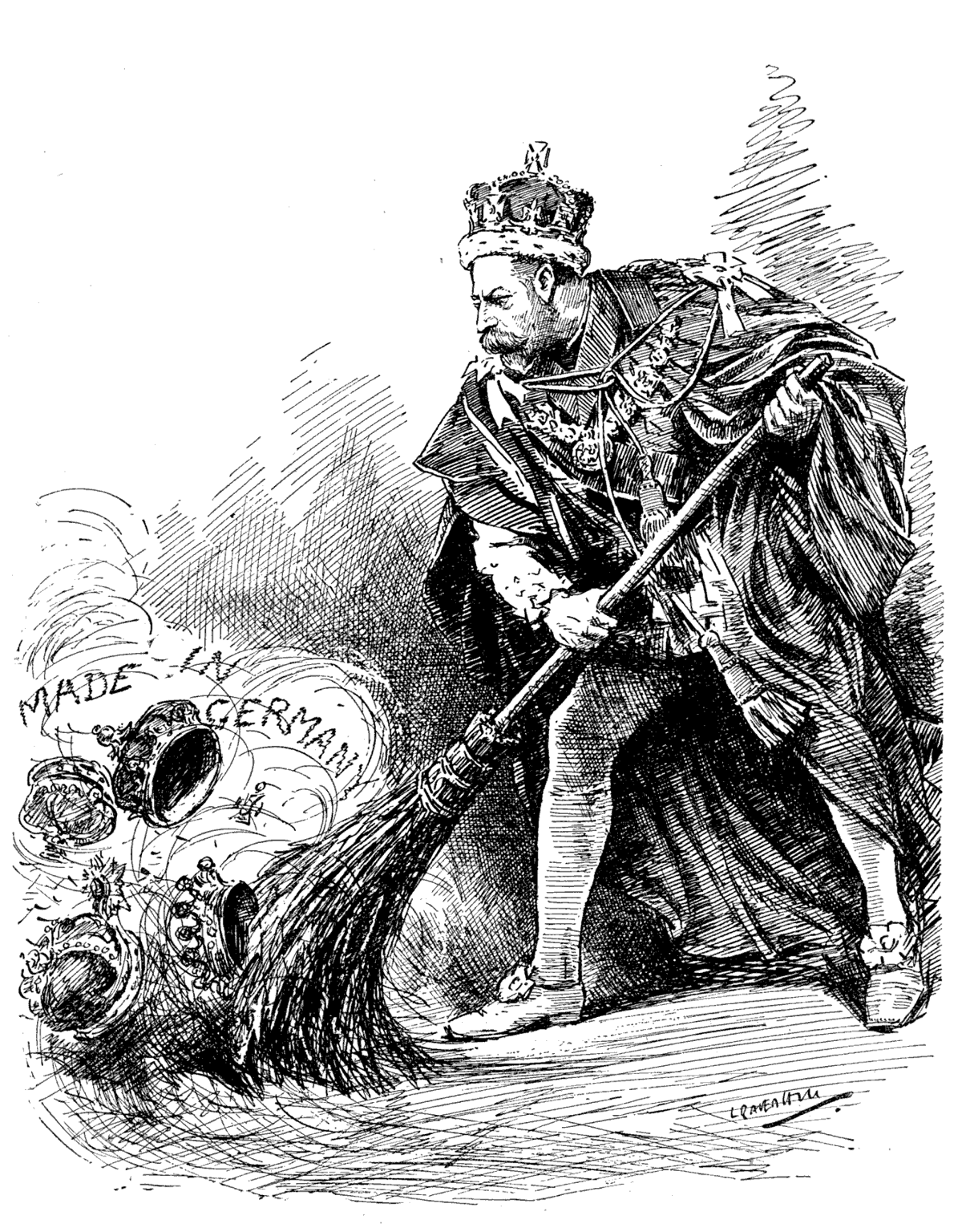
During World War I, anti-German sentiment was widespread throughout the British Empire. This environment created significant pressure for institutions and individuals with German ties to distance themselves from their heritage. The British Royal Family, originally known as the House of Saxe-Coburg and Gotha, faced public scrutiny due to its German roots. To address these concerns and demonstrate solidarity with the British public, King George V issued a royal proclamation changing the family's name to the House of Windsor.
This decision was not made lightly, as it marked a significant shift in the royal identity. The name Windsor was chosen for its strong association with a historic British town and its castle, reflecting a distinctly British heritage. This change had broader implications for the monarchy, reinforcing its connection to British history and culture while underscoring its commitment to the nation's war efforts.
The impact of this name change was multifaceted. For the British public, it served as a symbolic act of patriotism at a time when national unity was crucial. It also helped mitigate the royal family's association with Germany, which was perceived as the enemy during the war. From a historical standpoint, this moment represents a strategic response by the monarchy to adapt to and reflect the sentiments of its subjects.
#MoofLife #BritishRoyalFamily #WorldWarI #HouseOfWindsor #Patriotism #Monarchy #HistoryInAction
Primary Reference
Opinion | Why Is the Royal Wedding at Windsor Castle? - The New ...

Explore the Life Moments of
 AI Twin