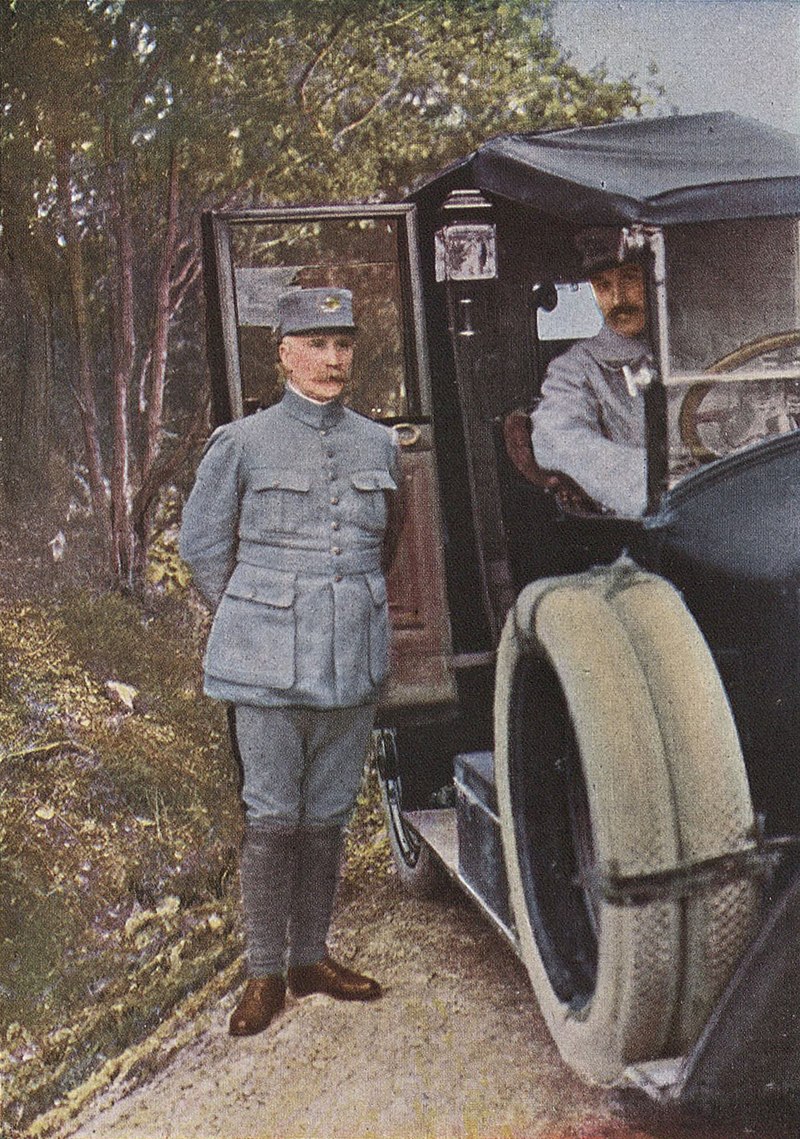
French Military Reform under General Philippe Pétain in World War I.
Germany
Political
Military
4 min read
Updated By: History Editorial Network (HEN)
Published:
Updated:
The French military experienced severe strain during World War I, leading to widespread unrest among the troops. A series of mutinies erupted, driven by the harsh conditions, high casualty rates, and the seemingly endless and futile nature of the conflict. In response to these grievances, General Philippe Pétain was appointed to command the French army.
Recognizing the need for substantial change, Pétain implemented a series of reforms aimed at restoring morale and trust within the ranks. These measures included improving food quality and supply, increasing leave periods for soldiers, and enhancing medical care. Additionally, Pétain addressed the issue of leadership, promoting officers who demonstrated competency and empathy towards their men.
Crucially, Pétain made a strategic shift in military operations. He limited offensives, choosing instead to focus on defense and conserving the strength of his forces. This approach aimed to prevent unnecessary loss of life and provided much-needed respite for the war-weary troops. By prioritizing the well-being of his soldiers, Pétain succeeded in stabilizing the front lines and restoring a degree of morale and discipline within the army.
The impact of these reforms was significant. Reports indicated a noticeable decline in the frequency of mutinies, and the overall morale of the troops improved. Pétain’s strategies allowed the French army to maintain its operational effectiveness and continue to resist enemy forces. His actions contributed to the stabilization of the Western Front during a crucial period of the war.
#MoofLife captures the essence of this crucial intervention in military leadership, underscoring the themes of adaptation, morale management, and strategic patience.
Primary Reference
Vietnam Study_1.pdf
Explore the Life Moments of
 AI Twin