French Army Mutinies: Consequences of Failed Nivelle Offensive in World War I
Germany
Political
4 min read
Updated By: History Editorial Network (HEN)
Published:
Updated:
Prior to the mutinies, the French army was heavily engaged on the Western Front during World War I. A key contributing factor to their discontent was the failed Nivelle Offensive, which was planned by General Robert Nivelle. The offensive was intended to deliver a decisive victory to break the stalemate of trench warfare. However, it resulted in extensive casualties, with French forces suffering approximately 120,000 losses.
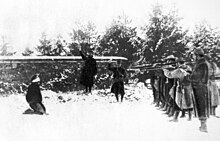
The high casualty rates, coupled with the perceived futility of continuous attacks, led to a deepening morale crisis among French troops. Many soldiers began to express their frustration and disillusionment with the ongoing conflict and their leadership's strategies. This discontent culminated in widespread mutinies within the French army. Soldiers in multiple divisions refused to follow orders involving new offensive operations, demanding better treatment, improved conditions, and assurance that they would not be sent into what they viewed as senseless and suicidal attacks.
The French High Command, initially taken aback by the scale of the disobedience, eventually took steps to address the underlying issues. They introduced concessions such as improved leave schedules, better food rations, and changes in command, including the replacement of General Nivelle with General Philippe Pétain. Pétain focused on restoring morale by implementing the promised reforms and avoiding large-scale offensives until the army regained its strength and confidence.
Despite the severity of the mutinies, the French army managed to maintain its defensive positions and continued to play a crucial role in the war. The mutinies highlighted the critical impact of leadership and the human cost of military strategy during World War I.
#MoofLife #WWI #FrenchArmy #MilitaryLeadership #Casualties #NivelleOffensive #SoldierMorale #HistoricalEvents
Primary Reference
1917: Year of stalemate | National Army Museum
Explore the Life Moments of
 AI Twin