First Battle of Passchendaele: Brutal WWI offensive in treacherous conditions marks costly Allied advance.
Germany
Military
4 min read
Updated By: History Editorial Network (HEN)
Published:
Updated:
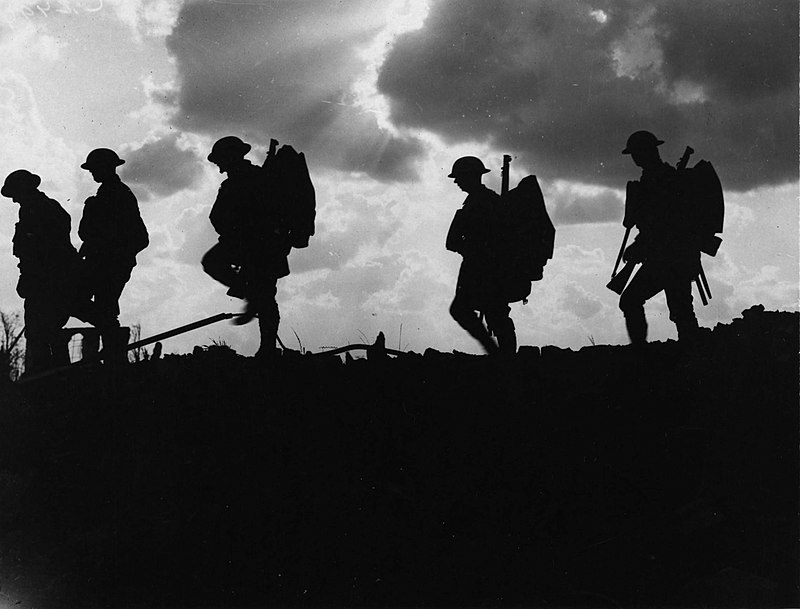
The First Battle of Passchendaele commenced under challenging weather conditions, marking a crucial phase in the broader Third Battle of Ypres during World War I. Allied forces, comprised mostly of British and ANZAC soldiers, launched an offensive against entrenched German positions. Heavy rain had turned the battlefield into a quagmire, severely hindering movement and complicating the deployment of artillery and troops.
Despite meticulous planning, the offensive met with strong German resistance. German forces had fortified their positions with concrete bunkers and machine gun nests, making them extremely difficult to overrun. The deteriorating weather further aggravated the situation, leading to devastating consequences for the advancing Allied troops.
Casualties were high on both sides as the Allies pressed on in their attempts to secure strategic ground. The engagement inflicted severe losses among the attackers, underscoring the immense human cost of trench warfare. The First Battle of Passchendaele highlighted the brutal reality of World War I combat, where technological advancements in weaponry outpaced military tactics, resulting in protracted and bloody confrontations.
This battle serves as a stark reminder of the harsh conditions soldiers faced and the significant sacrifices made during the Great War. The terrain, transformed into a muddy wasteland, encapsulated the futility and devastation of the conflict. The strategic objectives sought by the Allied forces were met with limited success, but the experience left an indelible mark on those involved.
#WWI #Passchendaele #MilitaryHistory #MoofLife #GreatWar #TrenchWarfare #AlliedForces #GermanResistance
Primary Reference
1917: Year of stalemate | National Army Museum
Explore the Life Moments of
 AI Twin