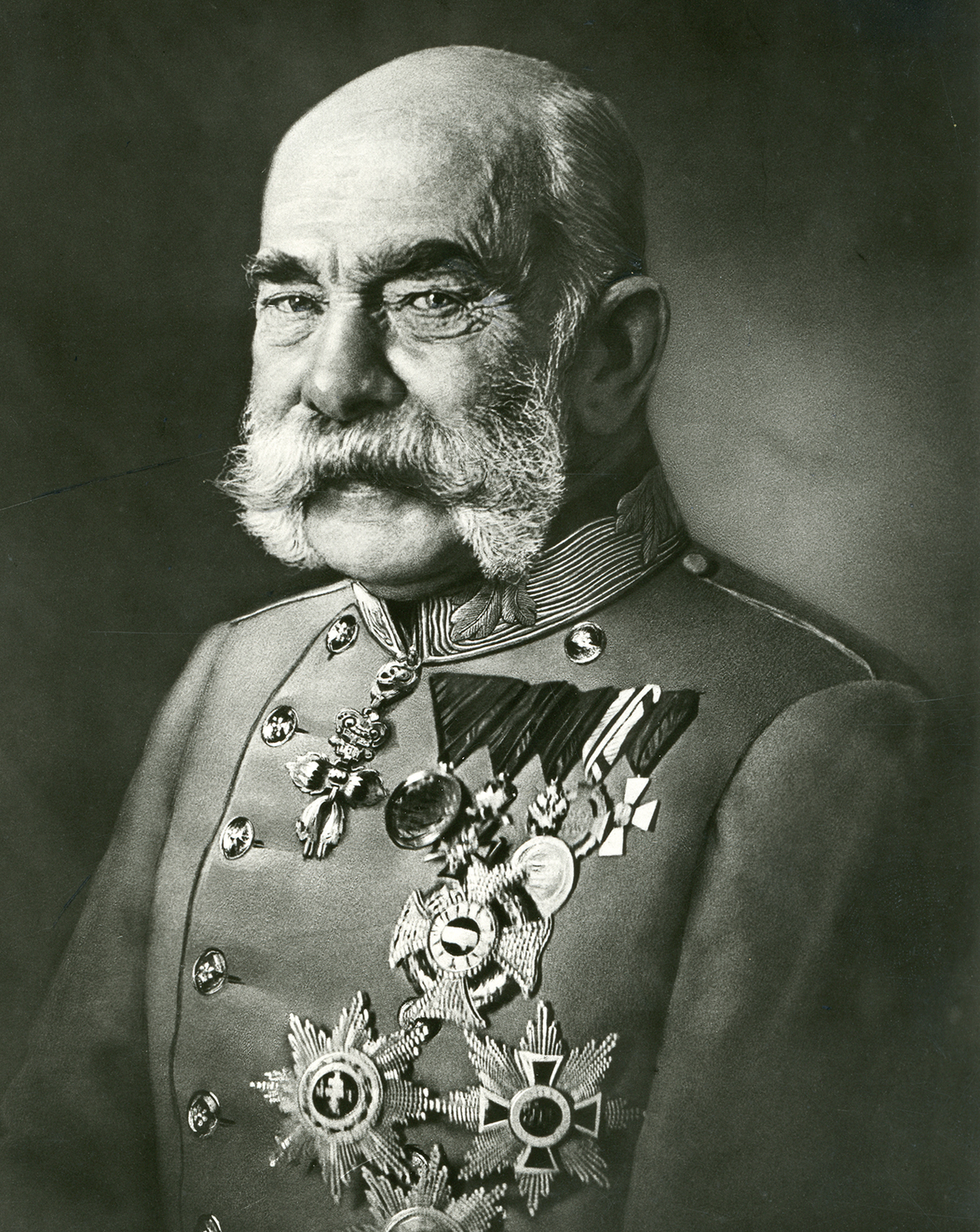
Emperor Franz Joseph I to Charles I: A Transition of Power in Austria-Hungary
Germany
Political
WorldWarI
3 min read
Updated By: History Editorial Network (HEN)
Published:
Updated:
Emperor Franz Joseph I of Austria passed away, concluding a 68-year reign that saw significant transformations within the Austro-Hungarian Empire. His ascension to the throne in the mid-19th century followed the abdication of his uncle, Emperor Ferdinand I. Throughout his tenure, Franz Joseph experienced the revolutions of 1848, the Austro-Prussian War, and the Austro-Hungarian Compromise of 1867, which shaped the dual monarchy.
Following Franz Joseph's death, his grandnephew Charles I became the new emperor. Charles I was immediately faced with the ongoing challenges of World War I, with the empire's resources heavily strained and widespread discontent among its diverse populations. Recognizing the critical state of affairs, Charles I made peace negotiations a priority. He viewed the war as increasingly untenable and sought to extricate the Austro-Hungarian Empire from the conflict in hopes of mitigating further destruction and preserving the monarchy.
The transition of power from Franz Joseph to Charles I marked a pivotal shift within the empire, highlighting the urgent need for diplomatic solutions in an era overshadowed by widespread conflict. The death of Franz Joseph symbolized the end of an era, while Charles I's succession and subsequent initiatives reflected a desperate bid for peace amidst global turmoil.
#WorldWarI #AustriaHungary #LeadershipChange #PeaceNegotiations #MoofLife
Primary Reference
Franz Joseph I of Austria - Wikipedia

Explore the Life Moments of
 AI Twin