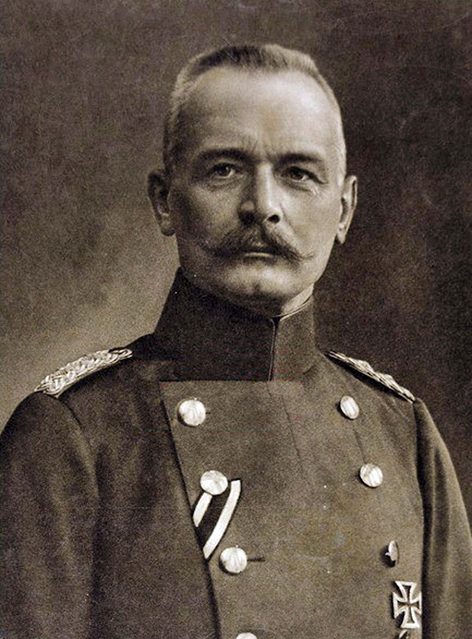
Change in German leadership during WWI: Moltke replaced by Falkenhayn, shifting military strategy.
Germany
Political
Military
4 min read
Updated By: History Editorial Network (HEN)
Published:
Updated:
Helmuth von Moltke was replaced by Erich von Falkenhayn as the German Chief of Staff following the failure of the German army to secure a swift victory in France. This shift in leadership occurred during World War I, amidst the backdrop of the early stages of the conflict. The German military strategy, as devised in the Schlieffen Plan, aimed for a rapid defeat of France by invading through Belgium and encircling Paris. The plan did not unfold as intended, resulting in a prolonged and grueling engagement on the Western Front.
The German advance was halted at the First Battle of the Marne, where the Allied forces managed to push back the German troops. This battle marked the end of mobile warfare and the beginning of trench warfare, with both sides digging in for what would become a protracted and bloody stalemate. Moltke's leadership was called into question due to the failure to achieve the quick, decisive victory that the Schlieffen Plan had promised.
Erich von Falkenhayn, who was the Prussian Minister of War before his appointment, took over the role of Chief of Staff. He faced the immediate challenge of reorganizing the German military strategy in the face of a drawn-out conflict. Falkenhayn's approach was different; he believed in a strategy of attrition, aiming to wear down the enemy through continuous pressure and resource depletion, as exemplified later at the Battle of Verdun.
The impact of this change in leadership was significant. It marked a shift in German military strategy from rapid conquest to sustained engagement, reflecting the broader realities of the First World War. The transition illustrated the challenges faced by the German High Command in adapting to the evolving nature of early 20th-century warfare.
#MoofLife
#WorldWarI
#MilitaryStrategy
#LeadershipChange
#GermanArmy
Primary Reference
Germany
Explore the Life Moments of
 AI Twin