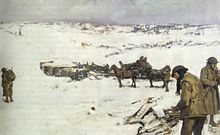
Cessation of the Battle of the Somme: Brutal warfare with minimal gains and heavy casualties.
Germany
Global Trade
Political
4 min read
Updated By: History Editorial Network (HEN)
Published:
Updated:
The cessation of the Battle of the Somme marked the end of nearly five months of intense fighting between Allied and Central Powers during World War I. The battle commenced with the intention of relieving pressure on the French forces at Verdun and inflicting heavy losses on the German army. Despite meticulous preparation, the initial day saw staggering British casualties, approximately 57,000, making it one of the bloodiest days in British military history.
Throughout the prolonged conflict, both sides engaged in attrition warfare, characterized by trench fighting that represented the brutal reality of the Western Front. Small territorial gains were made, with the Allies advancing about six miles at most—the achievements dwarfed by the scale of human loss. It is estimated that more than one million soldiers from both sides were either killed, wounded, or listed as missing.
Technological and tactical developments during the battle included the introduction of the tank by the British and extensive use of artillery barrages, signifying a shift in war tactics. However, these advances were not enough to secure a decisive breakthrough, leading to minimal strategic advantages for the involved forces.
The end of the battle did not bring significant relief, instead, it underscored the grueling nature of World War I and the heavy price paid for limited progress. The lessons learned and the unprecedented casualties had long-lasting impacts on military strategy, national psyches, and future engagements in the war.
#WorldWarI #TrenchWarfare #MilitaryHistory #HumanCost #MoofLife
Primary Reference
The Battle Of The Somme: WW1 - 5 Things You Need To Know | IWM

Explore the Life Moments of
 AI Twin