Canadian Forces Capture Passchendaele in Brutal Battle
Germany
War
4 min read
Updated By: History Editorial Network (HEN)
Published:
Updated:
The Second Battle of Passchendaele began when Canadian forces joined an ongoing offensive in World War I. The battle took place in Flanders, Belgium, and was part of the larger Third Battle of Ypres. The objective was to capture the village of Passchendaele, which was held by German forces.
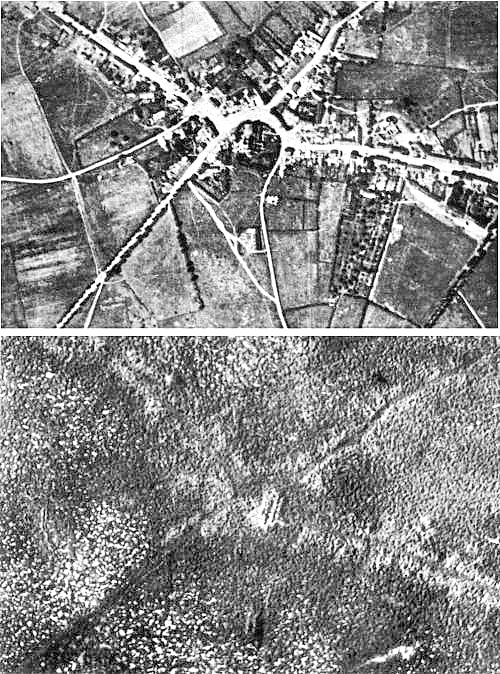
The conditions were extremely challenging for the Canadian troops. The battlefield was a quagmire because of heavy rainfall, and the artillery bombardments had further churned the terrain into thick mud. Movement was severely restricted, and many soldiers and horses became trapped in the mire.
Despite these conditions, the Canadians pressed forward. They had been called in in hopes of achieving a breakthrough after previous attacks by British and Australian troops had resulted in heavy casualties with minimal gains. The role of the Canadian Corps was to take over the advance on Passchendaele Ridge, a position that offered strategic advantage due to its elevated terrain.
The fighting was intense, and progress was slow. In the initial phase of their involvement, the Canadian troops managed to secure incremental positional gains. These advances were hard-fought and came with significant losses. By the end of the Canadian operations, they captured Passchendaele, but at a high cost in terms of lives lost and wounded. Canadian casualties were significant, with estimates suggesting around 4,000 soldiers killed or wounded in the earliest phase of their engagement alone.
The battle itself exemplifies the brutal and often costly engagements typical of World War I. It demonstrated the challenges posed by new forms of warfare and the harsh natural conditions that could exacerbate the inherent difficulties of trench warfare.
#MoofLife #WWI #HistoricalBattles #CanadianMilitary #Passchendaele #WarHistory
Primary Reference
Battle of Passchendaele | National Army Museum

Explore the Life Moments of
 AI Twin