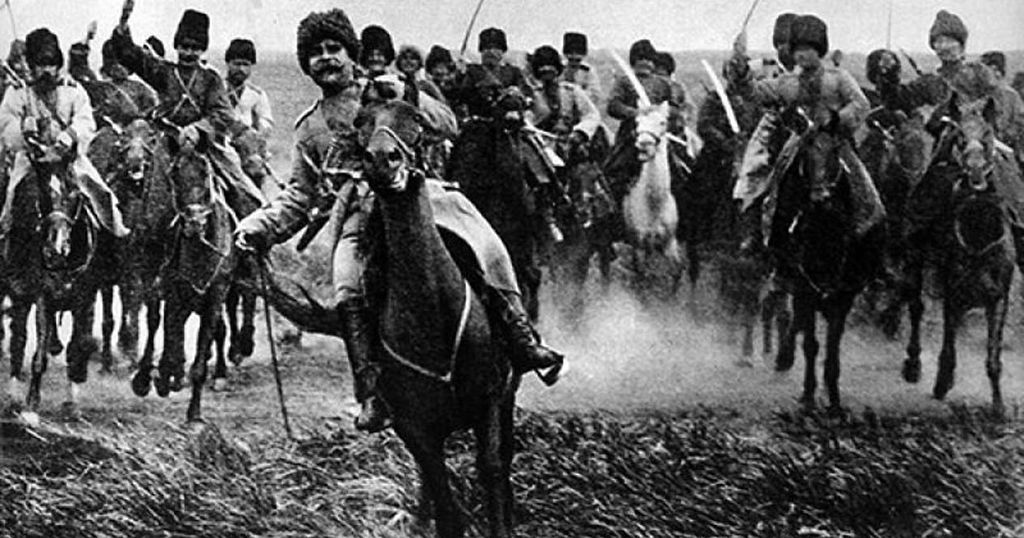
Brusilov Offensive: Austro-Hungarian push to break Eastern Front stalemate in World War I.
Germany
Political
Military
5 min read
Updated By: History Editorial Network (HEN)
Published:
Updated:
During a critical period of World War I, the Austro-Hungarian army initiated the Brusilov Offensive against Russian forces on the Eastern Front. The operation aimed to break the ongoing stalemate and deliver a significant blow to Russian defenses. This offensive was part of the larger strategic efforts by the Central Powers to gain the upper hand on the Eastern Front.
The Brusilov Offensive, named after Russian General Alexei Brusilov, was characterized by its extensive use of shock troops and innovative infantry tactics, designed to penetrate enemy lines quickly. The Austro-Hungarian forces faced a well-entrenched Russian army, but sought to disrupt their positions through a series of coordinated attacks.
In terms of manpower, the Austro-Hungarian army brought significant strength to the battlefield. Estimates indicate that they fielded approximately 1.8 million soldiers. The initial phase of the offensive saw some success, with Austro-Hungarian units making inroads into Russian-held territory and capturing several key positions.
However, the scale of the battle soon escalated. Russian reserves were swiftly mobilized, and reinforcements bolstered their defensive lines. Over the course of the confrontation, Russian forces experienced substantial casualties, but likewise inflicted heavy losses on the Austro-Hungarians. The offensive ultimately drew in over four million troops from both sides, leading to extensive casualties and exhaustion.
Despite achieving some tactical successes and advancing into enemy territory, the Austro-Hungarian army could not sustain its momentum. Logistics, supply issues, and the resilient Russian defense contributed to the eventual stalemate. The Brusilov Offensive, while briefly pushing back Russian forces, did not achieve the decisive breakthrough that the Central Powers had hoped for.
This offensive had significant implications for the overall dynamics of World War I, shaping the strategic approaches on the Eastern Front. The immense human cost underscored the brutal nature of trench warfare and the challenges of achieving decisive victories in such a protracted conflict.
#MoofLife #WorldWarI #EasternFront #BrusilovOffensive #MilitaryHistory #WarStrategy
Primary Reference
Eastern Front | WW1, Definition, Battles, & Casualties | Britannica

Explore the Life Moments of
 AI Twin