British Capture of Kut-al-Amara: Pivotal WWI Victory in Mesopotamia
Germany
Political
War
4 min read
Updated By: History Editorial Network (HEN)
Published:
Updated:
The British successfully captured Kut-al-Amara in Mesopotamia, following an earlier failed siege. This event was a pivotal episode during World War I, marking progress in the Mesopotamian campaign. The initial British attempt to take Kut-al-Amara had ended with a disastrous defeat. British forces, under the command of General Charles Townshend, had been besieged in the town for several months, culminating in the surrender of over 13,000 troops to the Ottoman forces.
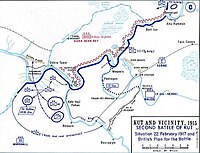
The subsequent recapture of Kut-al-Amara was led by General Frederick Maude. The British forces had regrouped and reinforced their numbers, taking lessons from their previous failures. Their renewed offensive saw improved planning and execution, allowing them to break the Ottoman defenses and take control of the town. This strategic victory allowed the British to use Kut-al-Amara as a staging ground for further operations in the region.
The capture brought the British forces closer to Baghdad, a crucial objective due to its political and economic significance in the region. Within a few weeks, the British would indeed march on Baghdad, achieving a key objective in the Mesopotamian campaign. This victory was also part of a broader strategy to weaken the Ottoman influence in the Middle East and ensure post-war British dominance in the area.
The occupation of Kut-al-Amara not only boosted the morale of the British forces but also disrupted the Ottoman defense lines. It also had significant implications for the local populations, who experienced changes in administration and control as a result of the British advance.
#WWI #MilitaryStrategy #KutAlAmara #BritishArmy #OttomanEmpire #BaghdadCampaign #MoofLife
Primary Reference
Kut al-Amara

Explore the Life Moments of
 AI Twin