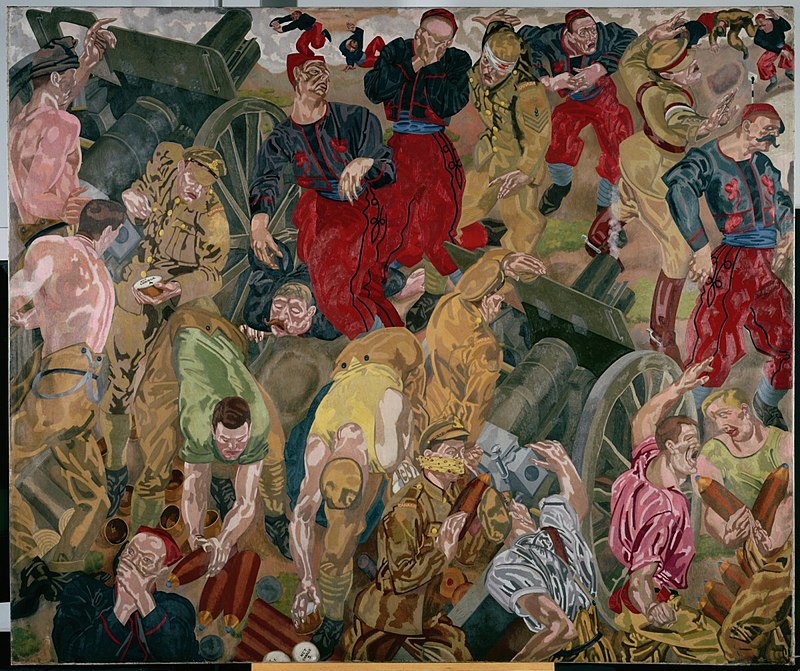
Battle of Ypres: Deadly German gas attack changes warfare, sparks innovation and protection efforts.
Germany
Warfare
4 min read
Updated By: History Editorial Network (HEN)
Published:
Updated:
The Second Battle of Ypres initiated the first notable employment of poison gas by German forces on the Western Front, resulting in significant casualties among the Allied troops. During this confrontation, the Germans released chlorine gas, taking advantage of favorable winds. The Allied soldiers, unprepared for chemical warfare, experienced severe respiratory distress and many succumbed to the fumes.
The German forces deployed approximately 168 tons of chlorine gas in this battle, leading to chaotic scenes as soldiers attempted to escape the toxic cloud. This attack breached the Allied lines, causing a temporary panic and retreat. The use of gas marked a new era in warfare, highlighting the escalating brutality of World War I and the lengths to which nations were willing to go to secure victory.
Following this event, the Allied forces swiftly sought methods to protect their troops from future gas attacks, developing early gas masks and protective measures. The poison gas attack at Ypres had a profound effect on military strategy and tactics, initiating a series of innovations and countermeasures in chemical warfare.
The battle resulted in around 5,000 Allied fatalities and numerous injuries, underlining the devastating impact of chemical weapons. The psychological toll on soldiers and the broader implications for human warfare were profound, prompting international discussions on the use of such weapons.
Despite the initial success of the gas assault, the Germans could not capitalize sufficiently on the breach, and the front lines stabilized soon after. The Second Battle of Ypres thus marked a critical turning point in the war, emphasizing the need for adaptation in changing combat environments.
#MoofLife #WorldWarI #ChemicalWarfare #Ypres #MilitaryHistory #GasAttack #WesternFront
Primary Reference
Chemical Warfare and Medical Response During World War I - PMC
Explore the Life Moments of
 AI Twin