Battle of Verdun: Stalemate of Death and Suffering
Germany
Political
Military
3 min read
Updated By: History Editorial Network (HEN)
Published:
Updated:
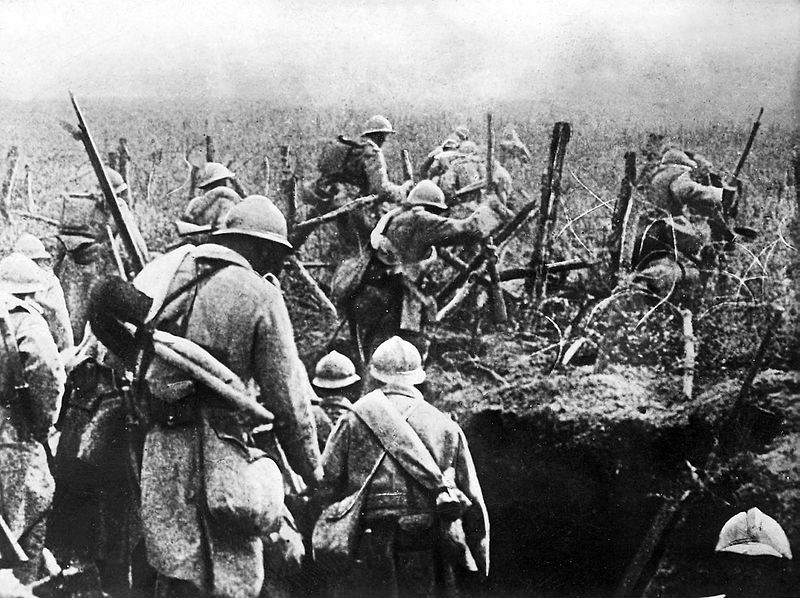
The Battle of Verdun persisted, becoming a grueling battle of attrition with no decisive gains as both French and German forces suffered massive casualties. This battle, part of a larger conflict, saw some of the fiercest and most prolonged fighting. The German strategy aimed to "bleed France white" by targeting Verdun to inflict maximum casualties and force the French into submission. However, the French forces mounted a determined defense under the command of General Philippe Pétain.
The landscape of Verdun became a theater of constant shelling, trench warfare, and hand-to-hand combat. The engagement transformed into a series of attacks and counterattacks with neither side able to secure a definitive advantage. Conditions for soldiers on both sides were dire, with trench foot, malnutrition, and psychological strain becoming common.
During the course of the battle, both sides suffered staggering losses, with estimates nearing 700,000 casualties combined. The extensive use of artillery, with millions of shells fired, left the battlefield cratered and desolate. The ferocity and futility of Verdun exemplified the broader stalemate and horror characterizing much of World War I combat.
In conclusion, the Battle of Verdun stands as a critical and sobering example of the war's human cost and strategic indecisiveness, shaping the future conduct and perceptions of the conflict. #WorldWarI #BattleOfVerdun #MoofLife #MilitaryHistory #WarAttrition
Primary Reference
What Happened During The Battle Of The Somme?
Explore the Life Moments of
 AI Twin