Battle of Verdun: Brutal, Symbolic, and Costly in World War I
Germany
Military
5 min read
Updated By: History Editorial Network (HEN)
Published:
Updated:
The Battle of Verdun began on the Western Front with German forces launching an intense assault on French positions. This marked the start of one of the longest and bloodiest battles of World War I. Verdun, a fortified French town, held strategic importance due to its position and its symbolic significance to the French Army.
German Chief of General Staff, Erich von Falkenhayn, aimed to "bleed France white" by attacking Verdun, expecting the French to defend it at all costs and thus suffer maximum casualties. The initial German bombardment involved over 1,200 artillery pieces, pummeling the French defenses and leading to significant destruction and loss of life. The French Army, commanded by General Philippe Pétain, managed to hold critical defensive positions despite being outnumbered and faced with relentless German attacks.
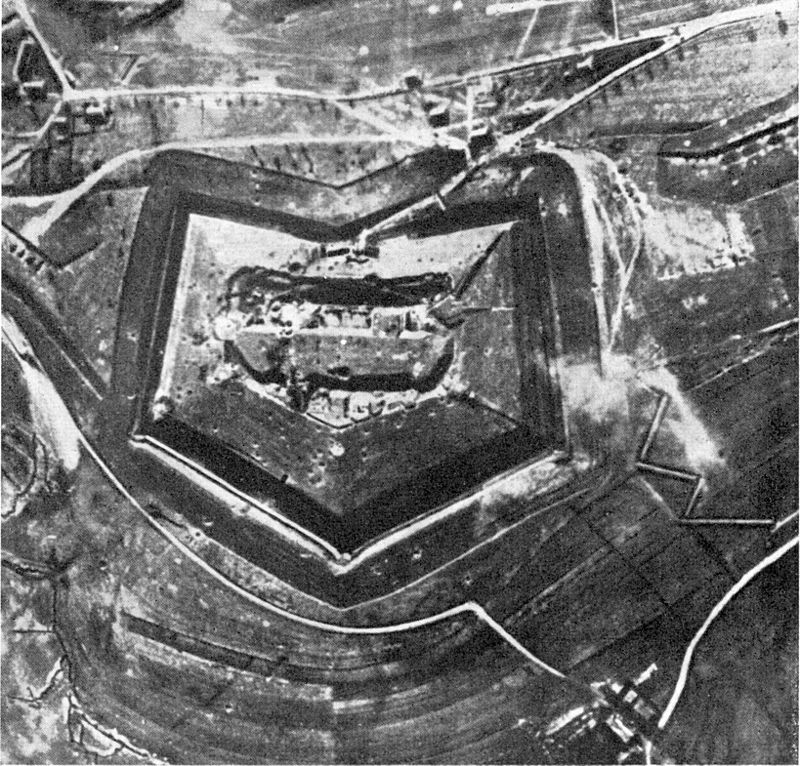
The battle endured for 302 days, with both sides experiencing severe casualties. French forces incurred approximately 377,231 casualties, including 162,440 dead, while German forces suffered around 337,000 casualties, with 100,000 dead. The infamous Fort Douaumont and Fort Vaux became key focal points, changing hands multiple times and symbolizing the brutal attrition warfare characteristic of Verdun. Trench warfare, artillery bombardments, and poison gas highlighted the inhuman conditions soldiers faced.
The Battle of Verdun's impact extended beyond mere statistics; it symbolized national resolve and the extreme human cost of war. The French rallying cry "Ils ne passeront pas" ("They shall not pass") became emblematic of their determination. Despite the enormous strain on French resources and morale, Verdun became a turning point in World War I, galvanizing Allied forces and contributing to the eventual German exhaustion.
The battle's legacy is profound, embodied in the Verdun Memorial and Ossuary, which honors over 130,000 unknown soldiers. It remains a testament to the resilience of the human spirit in the face of immense adversity.
#BattleOfVerdun #World
Primary Reference
Battle of the Somme | National Army Museum
Explore the Life Moments of
 AI Twin