Battle of Neuve Chapelle: British offensive in WWI demonstrates challenges and limitations of trench warfare.
Germany
Military Trench Warfare
4 min read
Updated By: History Editorial Network (HEN)
Published:
Updated:
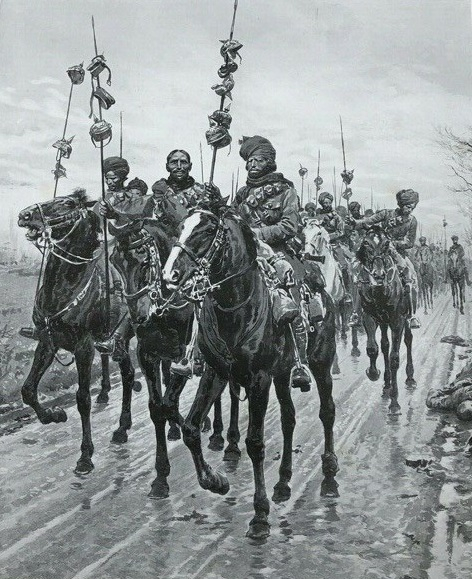
The Battle of Neuve Chapelle began on the Western Front during World War I, with British forces attempting to penetrate German lines. The primary goal was to achieve a breakthrough that would disrupt German defenses and potentially open the way for further advances. British and Indian troops launched a well-coordinated attack supported by heavy artillery bombardment.
The initial assault achieved some success as the British forces managed to capture Neuve Chapelle village and surrounding areas. However, the momentum was soon lost due to logistical issues and communication breakdowns among the attacking units. The German forces quickly organized a counter-attack, reclaiming some of the lost territory and reinforcing their defensive positions.
The battle resulted in substantial casualties on both sides. Over 7,000 British and Indian soldiers were killed, wounded, or declared missing, while German casualties were estimated at around 10,000. Despite the intense and costly fighting, the territorial gains were minimal and did not significantly alter the strategic situation on the Western Front.
The Battle of Neuve Chapelle is noteworthy for demonstrating the potential and limitations of coordinated infantry and artillery tactics in trench warfare. It underscored the challenges of sustaining a breakthrough and highlighted the critical importance of effective communication and supply lines in modern warfare.
#BattleOfNeuveChapelle #WWI #TrenchWarfare #MilitaryTactics #MoofLife
Primary Reference
Weapons of the Western Front | National Army Museum

Explore the Life Moments of
 AI Twin