Arab Revolt's Success in Hejaz with British Support Shifted Balance in World War I
Germany
Military Political
4 min read
Updated By: History Editorial Network (HEN)
Published:
Updated:
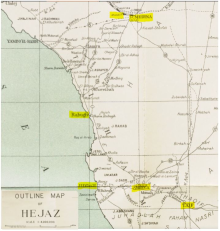
The Arab Revolt experienced continued success in the Hejaz region, with Arab fighters capturing key towns from Ottoman forces. Spearheaded by Sharif Hussein bin Ali, the revolt aimed to secure independence from the Ottoman Empire. The revolt was part of a broader strategy to weaken Ottoman control and disrupt their communication and supply lines during World War I.
British support played a crucial role in this success. British liaison officers, such as T.E. Lawrence, provided strategic advice and material support, including weapons, funding, and intelligence. This support was instrumental in coordinating guerrilla tactics and launching effective assaults on Ottoman positions.
One of the notable achievements during this period was the capture of significant towns, which not only provided strategic advantage but also boosted the morale of the Arab forces. The fall of these towns disrupted Ottoman administrative control and facilitated further penetration into Ottoman-held territories.
The impact of these victories was multifaceted. On a strategic level, it diverted Ottoman resources and attention from other critical fronts. Politically, it galvanized the Arab nationalist movement, strengthening the resolve for self-determination and independence. This moment also highlighted the importance of coalition warfare and the influence of external support in achieving military objectives.
#MoofLife #WWI #ArabRevolt #Hejaz #BritishSupport #OttomanEmpire #MilitaryHistory #Nationalism

Explore the Life Moments of
 AI Twin