Allied Offensive Stalls: First Battle of the Aisne Marks Shift to Trench Warfare
Germany
Military
4 min read
Updated By: History Editorial Network (HEN)
Published:
Updated:
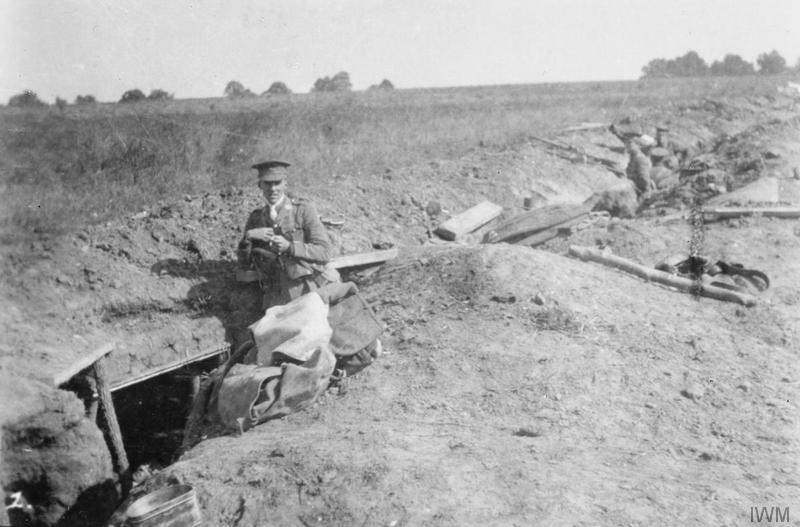
Following the Battle of the Marne, Allied forces launched an offensive along the Aisne River to drive German forces back. This confrontation, termed the First Battle of the Aisne, marked German efforts to solidify their defensive positions along the high ground to the north of the river. As Allied troops moved forward, they soon encountered formidable German defenses, including machine-gun nests and artillery positions, resulting in heavy casualties on both sides.
Despite initial advances, the offensive stalled, leading both armies to dig in and create extensive trench systems to protect their soldiers from enemy fire and to maintain their positions. This gridlock led to a stalemate that neither side could overcome quickly.
The First Battle of the Aisne is seen as the starting point of trench warfare that would come to dominate World War I. This shift in the nature of warfare resulted in static lines and grueling battles with little territorial gain despite significant loss of life. Trench warfare also prompted innovations in military tactics and technology, as both sides sought ways to break the deadlock and achieve decisive victories.
Casualties during the battle were substantial, reflecting the brutal nature of the engagements and the challenges posed by enemy defenses. The stalled offensive demonstrated the limitations of traditional military strategies against well-entrenched forces and underscored the need for new approaches to warfare.
This extended engagement along the Aisne River encapsulated the futility and devastation of trench warfare, setting the stage for many of the prolonged and deadly battles that would define World War I.
#MoofLife #WorldWarI #TrenchWarfare #FirstBattleOfTheAisne #MilitaryHistory #BattlesAndConflicts
Primary Reference
10 Significant Battles Of The First World War | Imperial War Museums
Explore the Life Moments of
 AI Twin