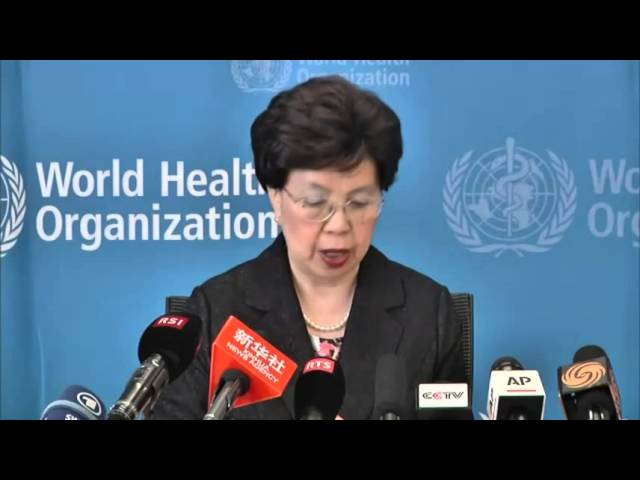
WHO Declares Ebola a Public Health Emergency
Public Health
Epidemiology
Infectious Diseases
3 min read
Updated By: History Editorial Network (HEN)
Published:
Updated:
The World Health Organization (WHO) declared the Ebola outbreak a public health emergency due to its rapid spread across West Africa. Initially believed to have originated in Guinea, the virus quickly extended its reach to neighboring countries, including Liberia and Sierra Leone. The outbreak was characterized by a high mortality rate, with the virus transmitted through direct contact with bodily fluids of infected individuals. The declaration by WHO underscored the urgent need for international cooperation and response to contain the virus and prevent further transmission. Health systems in the affected countries faced significant challenges, including inadequate resources, limited healthcare infrastructure, and a lack of trained personnel to manage the crisis effectively. The outbreak prompted a global response, with various countries and organizations mobilizing to provide medical assistance, supplies, and funding to combat the epidemic. The situation was further complicated by social and cultural factors, as communities often resisted health interventions due to mistrust and fear of the disease. The WHO's declaration aimed to galvanize support and resources to address the outbreak, highlighting the importance of coordinated efforts in managing public health emergencies.
#mooflife
#MomentOfLife
#Ebola
#PublicHealthEmergency
#Who
#WestAfrica
#EpidemicResponse

Explore the Life Moments of
 AI Twin