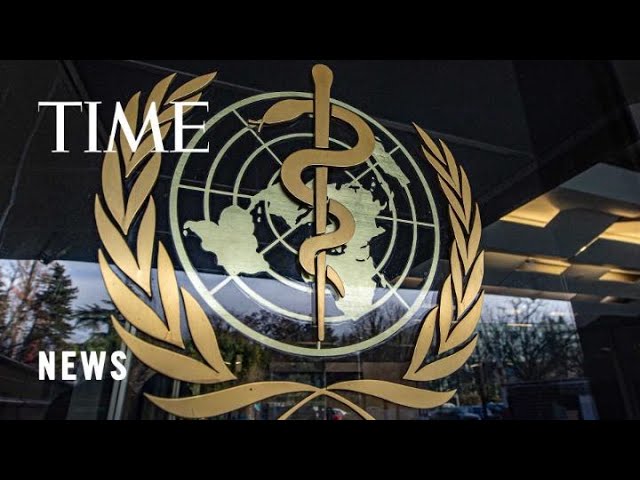
Argentina announces withdrawal from WHO
Politics
International Relations
Health Policy
4 min read
Updated By: History Editorial Network (HEN)
Published:
Updated:
Argentina's decision to withdraw from the World Health Organization (WHO) was announced by President Javier Milei. This move aligns with a broader trend of skepticism towards international health organizations, reflecting a growing sentiment among some nations regarding their roles and effectiveness. The WHO, established to coordinate global health responses and provide guidance during health emergencies, has faced criticism for its handling of various health crises, including the COVID-19 pandemic. Critics argue that the organization has been slow to respond and has sometimes prioritized political considerations over public health needs. Argentina's withdrawal is part of a 12-month process, indicating a significant shift in the country's approach to international health governance.
The impact of Argentina's withdrawal could be substantial, as it may influence other nations contemplating similar actions. The WHO relies on member states for funding and support, and a reduction in membership could weaken its ability to respond to global health challenges. Argentina's decision may also affect its access to vital health resources and information that the WHO provides. The withdrawal raises questions about the future of international cooperation in health matters, especially in the face of emerging diseases and global health threats. As countries navigate their health policies, the implications of Argentina's exit from the WHO will likely be closely monitored by both health experts and policymakers worldwide.
#mooflife
#MomentOfLife
#Argentina
#Who
#JavierMilei
#GlobalHealth
#InternationalRelations

Explore the Life Moments of
 AI Twin