Consequences of World Reshaping on Society
Switzerland
Society
Politics
Business
4 min read
Updated By: History Editorial Network (HEN)
Published:
Updated:
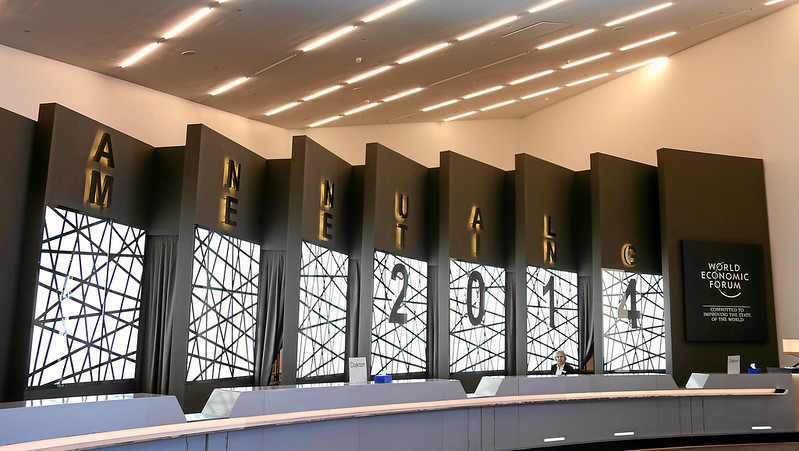
The annual meeting in Davos has evolved into a significant platform for political leaders, business executives, and other influential figures to discuss global issues. Initially characterized by a more casual atmosphere, the forum has transformed over the years into a serious venue for addressing pressing societal challenges. The theme of the 2014 annual meeting, 'The reshaping of the world: consequences for society, politics and business,' reflects the growing recognition of the interconnectedness of global events and their impact on various sectors. This theme underscores the importance of understanding how changes in the global landscape can influence societal structures, political dynamics, and business practices. The discussions at Davos often highlight the need for collaboration among different stakeholders to navigate the complexities of a rapidly changing world.
The impact of these discussions extends beyond the confines of the meeting itself. The insights shared at Davos can shape policy decisions and influence public opinion on critical issues such as economic inequality, climate change, and technological advancement. For instance, the emphasis on the consequences of global reshaping has led to increased awareness of the need for sustainable practices in business and governance. Furthermore, the forum serves as a catalyst for initiatives aimed at addressing social challenges, fostering innovation, and promoting inclusive growth. As political leaders leverage this platform to advocate for their interests, the outcomes of these discussions can have far-reaching implications for society, ultimately shaping the future of global interactions and cooperation.
#mooflife
#MomentOfLife
#Davos
#GlobalIssues
#PoliticalLeaders
#BusinessPractices
#SocietalImpact

Explore the Life Moments of
 AI Twin