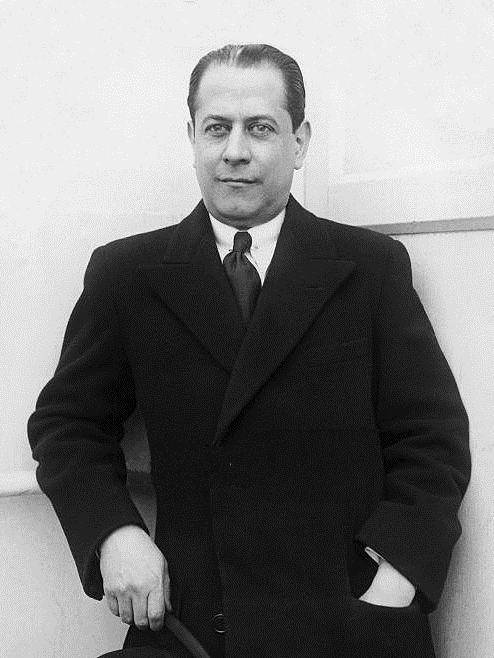
José Raúl Capablanca Becomes World Chess Champion
United States
Chess History
World Champions
Cuban Chess Players
4 min read
Updated By: History Editorial Network (HEN)
Published:
Updated:
José Raúl Capablanca, a Cuban chess player, became the World Chess Champion in 1921. His rise to prominence in the chess world was marked by his exceptional skills, particularly in endgame strategies, which set him apart from his contemporaries. Capablanca's style of play was characterized by a deep understanding of positional play and a remarkable ability to simplify complex positions into winning endgames. His victory for the championship was a culmination of his earlier successes in various tournaments, showcasing his dominance in the chess community. Capablanca held the title until 1927, during which he defended it successfully against several challengers, solidifying his reputation as one of the greatest chess players of all time. His contributions to chess theory and practice, especially in endgame techniques, have had a lasting impact on the game, influencing generations of players who followed him.
The period of Capablanca's reign was significant for the evolution of competitive chess. His approach to the game emphasized clarity and efficiency, which resonated with many players and fans. The chess world during this time was also marked by the emergence of new strategies and the increasing complexity of competitive play. Capablanca's ability to adapt to these changes while maintaining his unique style contributed to his long-standing success. His legacy continues to be felt in modern chess, where his games are studied for their instructional value. The impact of his championship reign is evident in the way chess is played and taught today, as well as in the ongoing appreciation for his contributions to the sport.
#mooflife
#MomentOfLife
#JoséRaúlCapablanca
#WorldChessChampion
#ChessHistory
#EndgameStrategies
#CubanChessPlayer
Primary Reference
World Chess Championship 1921

Explore the Life Moments of
 AI Twin