Mozart's Vienna Move: Musical Growth and Success in the Cultural Hub.
vie, Austria
Biography
Music
4 min read
Updated By: History Editorial Network (HEN)
Published:
Updated:
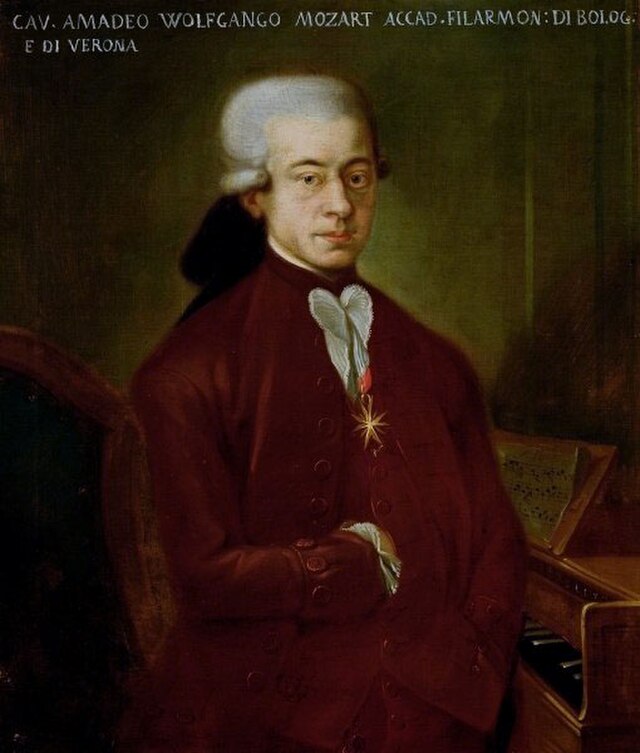
In 1781, Wolfgang Amadeus Mozart, aged 25, made the decision to remain in Vienna and pursue an independent career rather than return to service in Salzburg. Earlier that year he had traveled to Vienna in the retinue of Archbishop Hieronymus Colloredo, but tensions between Mozart and the Salzburg court escalated. In May 1781, Mozart was formally dismissed from court service, ending his salaried position. He then chose to stay in Vienna, where he sought income as a freelance composer, performer, and teacher, a professional model that differed from the court employment typical for musicians of the period.
Vienna offered opportunities through aristocratic patronage, subscription concerts, and private teaching. Mozart quickly began establishing himself as a keyboard virtuoso, giving performances in salons and organizing concerts featuring his own works. He also secured commissions and composed keyboard music, chamber works, and stage pieces intended for Viennese audiences. The city’s active musical life included opera houses, noble patrons, and a growing public concert culture, which supported Mozart’s independent activities during the early 1780s.
Mozart’s decision to remain in Vienna in 1781 shaped the final decade of his life. During these years he composed major operas including Die Entführung aus dem Serail in 1782, Le nozze di Figaro in 1786, Don Giovanni in 1787, and Die Zauberflöte in 1791, alongside piano concertos, chamber music, and sacred works. His move from Salzburg to Vienna therefore marked the transition from court employment to freelance work within the Habsburg capital.
Why This Moment Matters
The decision in 1781 established Vienna as Mozart’s permanent base, where he developed an independent career through concerts, teaching, and major stage works.
#Mozart
#Vienna1781
#MusicHistory
#ClassicalMusic
#WolfgangAmadeusMozart
#FreelanceComposer
Primary Reference
Wolfgang Amadeus Mozart - Wikipedia
Explore the Life Moments of
 AI Twin