Mozart's 'Paris Symphony': A Strategic Success in the Capital of Music
Paris, France
Music
4 min read
Updated By: History Editorial Network (HEN)
Published:
Updated:
On 12/06/1778, Wolfgang Amadeus Mozart’s Symphony No. 31 in D major, K. 297, later known as the “Paris Symphony,” received a private performance in Paris at the residence of Count Karl Heinrich Joseph von Sickingen, ambassador of the Electorate of the Palatinate. Mozart had arrived in Paris earlier that year seeking employment and composed the symphony for performance at the Concert Spirituel, one of the city’s most prominent public concert series. The private performance allowed the work to be tested before its official presentation.
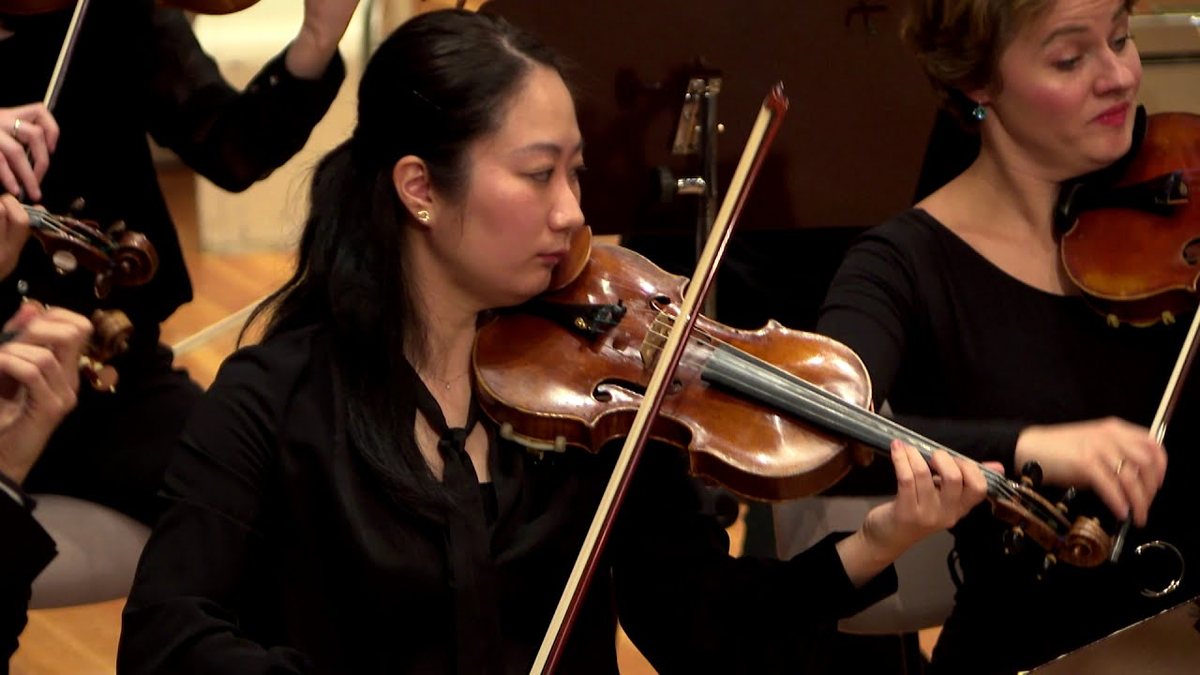
Six days later, on 18/06/1778, the symphony was publicly premiered at the Concert Spirituel. Mozart tailored the composition to Parisian taste, employing a large orchestra that included pairs of winds, trumpets, timpani, and divided violins. The opening movement features a bold orchestral gesture followed by dynamic contrasts designed to appeal to the Paris audience. Mozart later wrote that the first movement’s initial forte passage drew an immediate response from listeners. The slow movement was revised after early rehearsals, and Mozart adjusted orchestration to suit available performers.
The symphony was composed during Mozart’s extended stay in Paris in 1778, a period marked by professional uncertainty and personal difficulty. His mother, Anna Maria Mozart, fell ill shortly after the performances and died on 03/07/1778. The June performances of the “Paris Symphony” therefore occurred during the final weeks before her death and represent one of Mozart’s major public presentations during his Paris visit.
#Mozart
#ParisSymphony
#ParisSymphony
#Symphony31
#ClassicalMusic
#MusicHistory
Primary Reference
Symphony No. 31 (Mozart) - Wikipedia
Explore the Life Moments of
 AI Twin